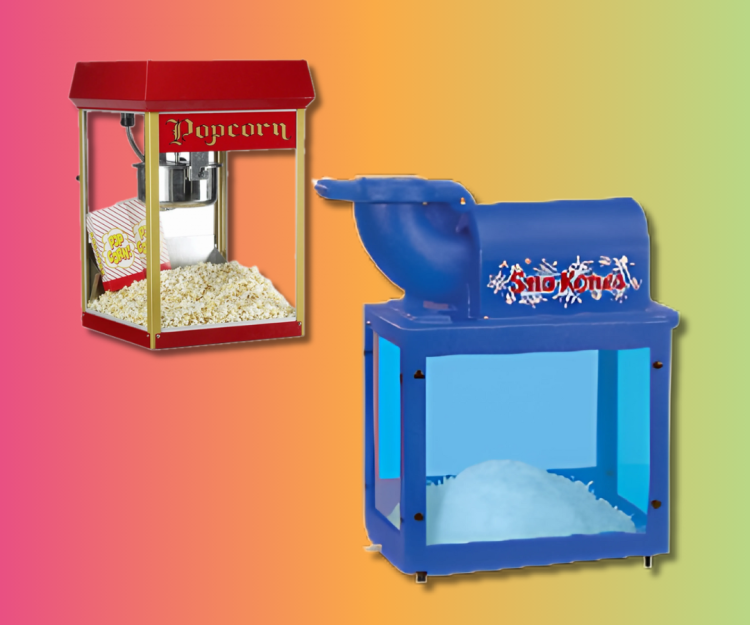
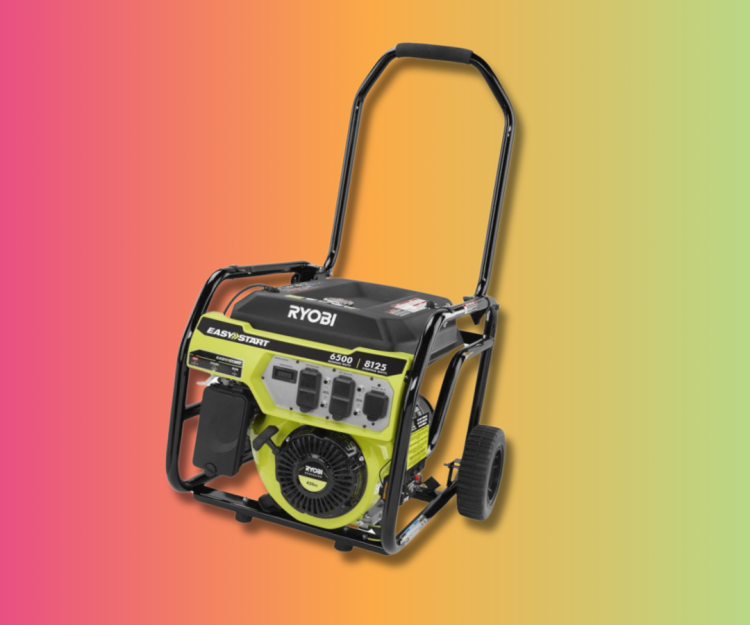
A popcorn machine can turn a school carnival, backyard birthday, or church festival into the place everyone wants to be. But when the event is in a park, field, or open space without convenient outlets, one question comes up fast: do generators power concession machines?
Yes, in most cases, a properly sized generator can power concession equipment. The key is not simply having a generator on site. It is matching the machine’s electrical needs with enough generator capacity, the right outlet, and a safe setup. A little planning keeps the popcorn popping, the snow cones flowing, and the line moving instead of leaving guests waiting for power to come back on.
Do Generators Power Concession Machines at Events?
Generators can power many popular concession machines, including popcorn makers, snow cone machines, cotton candy machines, hot dog steamers, and similar party equipment. Some machines need only a standard household-style outlet, while others draw more power because they use heating elements, motors, or both.
That distinction matters. A snow cone machine may need a brief burst of energy as the motor starts. A popcorn machine uses steady power to run its warmer and kettle. If the generator is already powering an inflatable, speaker system, lights, or another food machine, the combined electrical demand can add up quickly.
The practical answer is: yes, but it depends on what else is connected. For a simple outdoor snack station, a generator may handle the concession machine easily. For a larger event with several attractions, you may need a higher-capacity generator or separate power sources to keep everything operating safely.
Start With the Machine’s Wattage
Every electrical concession machine should have a manufacturer label or specification that lists its voltage and power requirement. This information is usually shown in watts or amps. Watts are the easiest number to use when planning generator capacity.
If a machine lists amps instead of watts, use this simple calculation: amps multiplied by volts equals watts. Most standard event equipment in the United States runs on 120 volts. For example, a machine rated at 10 amps uses about 1,200 watts at 120 volts.
Do not choose a generator that only barely meets that number. Machines with motors can need extra power when they first turn on, and generators work best when they are not pushed to their limit all day. A smart rule is to leave a comfortable power cushion above the total expected load. That gives your equipment room to start properly and helps prevent tripped breakers or inconsistent performance.
Typical Power Needs Vary by Machine
There is no single wattage that applies to every model, but these general patterns are helpful. A small snow cone machine may use less power than a heated popcorn machine. Cotton candy machines can require a meaningful amount of power because the heating head must reach and maintain temperature. Hot dog steamers and nacho cheese warmers also draw power steadily as they keep food hot.
That is why the equipment’s actual rating always wins over a guess. Before booking a generator, make a quick list of every item you plan to plug in. Include concession machines, inflatables, lights, music equipment, chargers, fans, and anything else that will share the power source.
Add Up the Full Event Load
A generator that runs one popcorn machine may not have enough capacity for a popcorn machine, a bounce house, and a DJ setup at the same time. Event power planning is about the total load, not just the item that prompted the question.
Think about the layout of your party. A birthday in the backyard may need power for a combo bounce house and one concession machine. A school field day may include multiple inflatables, several food stations, a sound system, and tables under a tent. Those are very different setups, even if both serve popcorn.
For larger events, it can help to separate equipment across more than one generator. This reduces the chance that one overloaded circuit affects the entire party. It also gives you more flexibility in placing attractions where guests can enjoy them without extension cords crossing busy walkways.
Outlet Type and Circuit Space Matter Too
Generator wattage is only part of the picture. You also need enough usable outlets and circuits for the equipment you are operating. A generator may have a large total power rating but only a limited number of standard 120-volt outlets. If multiple machines are connected to the same circuit, that circuit can trip before the generator reaches its overall capacity.
Check whether your machine needs a regular 120-volt outlet or a special connection. Most party concession equipment uses standard outlets, but do not assume. If an event requires a different voltage or plug type, the generator must support it.
Use heavy-duty outdoor-rated extension cords that are appropriate for the power load and cord length. Lightweight household cords can overheat or cause voltage drop, especially on longer runs. Keep cords out of standing water, away from food service areas, and secured where guests will not trip over them.
Safe Generator Placement Keeps the Fun Going
A generator belongs outdoors in an open, well-ventilated area. Never operate one inside a tent, garage, enclosed patio, building, or near open windows and doors. Exhaust fumes can be dangerous, and generators also produce heat and noise.
Place the generator on stable, dry ground, well away from guest traffic and children’s play areas. It should be close enough to serve the equipment without forcing cords across sidewalks, entrances, or bounce house landing zones. If cords must cross a walking path, use proper cord covers or reroute the setup.
Keep the generator dry, but do not cover it in a way that blocks ventilation. Florida weather can change quickly, so plan for rain before the event begins. A qualified rental team can help position the equipment with weather, airflow, and access in mind.
Never refuel a generator while it is running or hot. Turn it off, allow it to cool, and follow the equipment instructions before adding fuel. This is one of those behind-the-scenes details that matters just as much as the fun on the serving table.
When a Generator Is the Right Choice
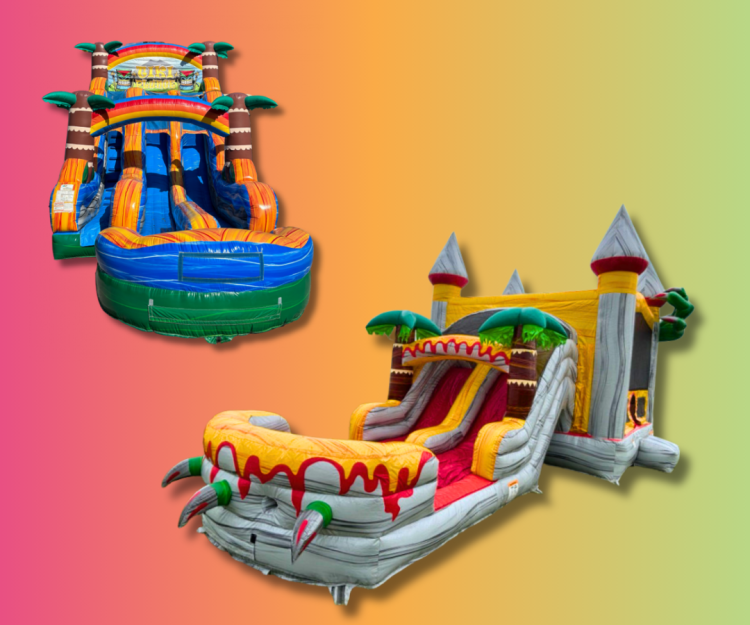
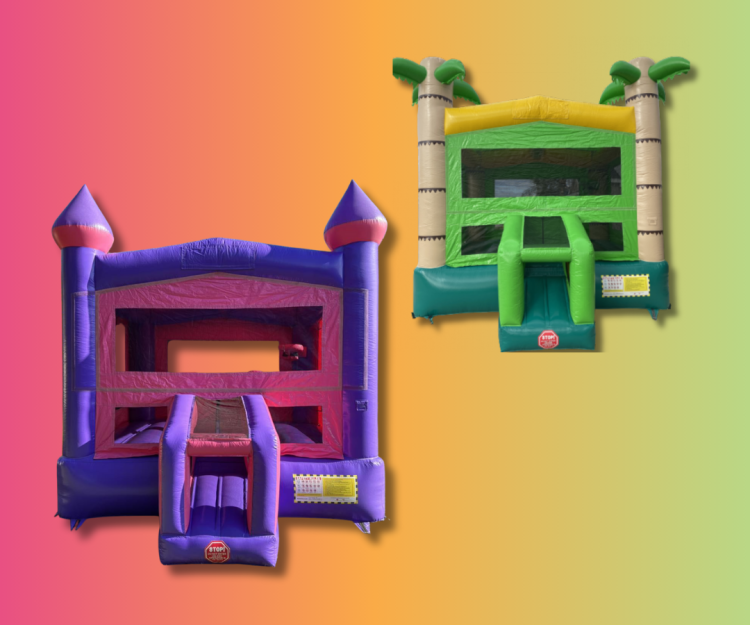
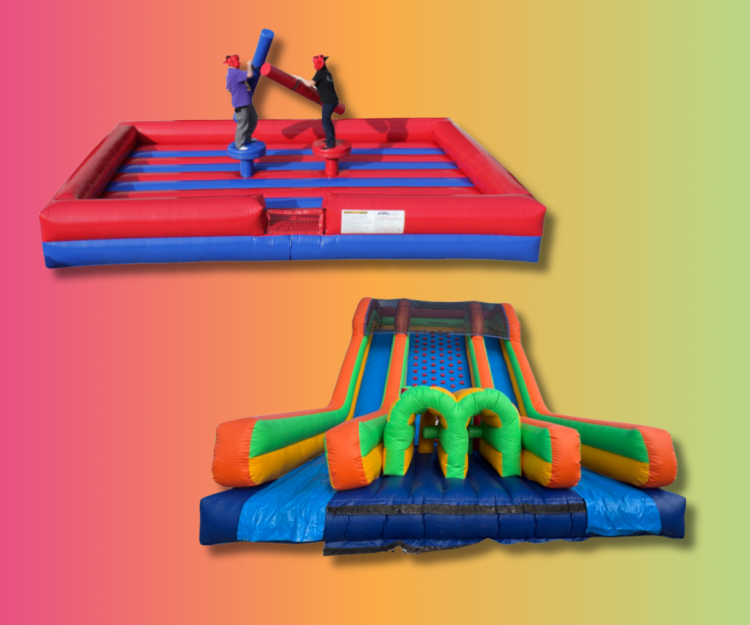
Generators are especially useful for events held at parks, sports fields, community spaces, construction-adjacent lots, outdoor festivals, and large yards without reliable outdoor outlets. They also offer a dependable backup when the available household circuit cannot safely handle an inflatable and a concession machine together.
If your event has access to dedicated outdoor electrical circuits, a generator may not be necessary. However, plugging high-demand equipment into a random garage outlet can be risky when you do not know what else is on that circuit. Refrigerators, pool equipment, garage tools, and indoor appliances may already be sharing the load.
For many customers, renting the power equipment with the entertainment equipment is simpler than trying to piece together a solution at the last minute. Moore Bounce and Party Rentals can help customers plan a clean, safe setup with the right event rentals for the location and guest count.
A Quick Pre-Party Power Check
Before event day, confirm these details with your rental provider or event team:
- The wattage or amp rating for each concession machine and powered attraction
- The generator’s running capacity and available outlet types
- Whether items will operate at the same time or in shifts
- The extension cord lengths needed for a safe layout
- Where the generator can sit outdoors on dry, level ground
- What rain plan and fuel plan apply to the event
This short check is worth doing before the delivery truck arrives. It prevents the most common power problems and gives you time to make changes while the party is still on paper.
Plan the Power Before You Plan the Menu
Concession machines are small touches that create big party memories – the smell of fresh popcorn, the colorful snow cone choices, and the excitement of a cotton candy treat. A generator can absolutely support that fun when it is correctly sized and safely placed.
Before you choose flavors or fill the serving table, confirm the power plan. Then your guests can focus on the good part: playing, celebrating, and coming back for one more snack.