A bounce house can look spotless and still need attention before children climb inside. Grass, snack crumbs, sweat, dampness, and high-touch surfaces all collect during a busy party. If you are searching for how to sanitize bounce house equipment properly, the goal is not a quick spray-and-go routine. It is a careful process that cleans visible soil, disinfects the right surfaces, protects the vinyl, and leaves the inflatable completely dry and ready for safe play.
For families, schools, churches, and community events, sanitation is part of the fun. When the setup is clean and the play rules are clear, everyone can focus on making memories instead of worrying about what was left behind from the last event.
How to Sanitize a Bounce House the Right Way
Start only after all participants are out and the inflatable has been unplugged, deflated, and secured. Never clean an inflatable while children are playing on it, and do not allow anyone back inside until every treated surface is dry.
The most reliable routine has four parts: remove debris, wash away dirt, disinfect or sanitize according to the product label, and dry thoroughly. Skipping the first step is a common mistake. Disinfectant works best on a surface that has already been cleaned. Mud, food residue, sunscreen, and other buildup can keep the product from reaching the vinyl effectively.
Use a soft broom, vacuum, or dry cloth to remove loose dirt from the bouncing area, steps, entryway, seams, and corners. Check under any safety netting and around the base, where leaves and crumbs like to hide. For commercial operators, this is also a smart time to inspect for small tears, loose stitching, worn anchor points, or damage around the entrance.
Wash the Vinyl Before Disinfecting
For general washing, use a mild cleaner that is suitable for inflatable vinyl. Avoid harsh degreasers, bleach mixtures, abrasive powders, or stiff brushes. These can discolor the material, weaken protective coatings, or leave behind residue that makes the surface slippery.
Apply the cleaning solution with a soft cloth, sponge, or low-pressure sprayer. Work in manageable sections rather than soaking the whole unit. Pay close attention to high-contact areas: the entrance step, handholds, climbing lanes, slide rails, basketball hoops, tunnel openings, and the main bouncing floor.
A soft-bristle brush can help with stubborn marks, but use a light touch. The goal is to lift dirt, not scrub the vinyl aggressively. Wipe away the cleaner as directed and make sure no puddles are collecting in seams or low spots.
Choose a Kid-Appropriate Disinfectant
Cleaning removes grime. Sanitizing and disinfecting reduce germs on the surface. The product you select should be appropriate for nonporous vinyl or plastic surfaces and used exactly according to its label instructions.
Read the label before applying anything. It should tell you the required contact time, whether the product needs to remain wet for a certain number of minutes, and whether a rinse is required before children use the surface. More product is not automatically better. Using too much solution, mixing products, or cutting the required contact time short can create problems without improving the result.
Never mix cleaning chemicals. Combining products can create dangerous fumes or damage the inflatable. Keep chemicals away from children, wear appropriate gloves, and work in a well-ventilated outdoor area whenever possible.
If an inflatable is used for a large event with frequent guest turnover, clean and disinfect high-touch points between groups when practical. A full interior treatment may not be realistic during a fast-moving festival, but entry steps, handholds, slide rails, and game controls deserve regular attention.
Do Not Forget the Blower and Accessories
The inflatable is not the only item that needs care. Wipe down the blower housing, power cords, extension-cord connections, stakes, sandbags, and any game accessories that guests touch. Do not spray liquid into the blower, electrical outlets, or cord ends. Use a lightly dampened cloth where appropriate, and let everything dry before storage or the next setup.
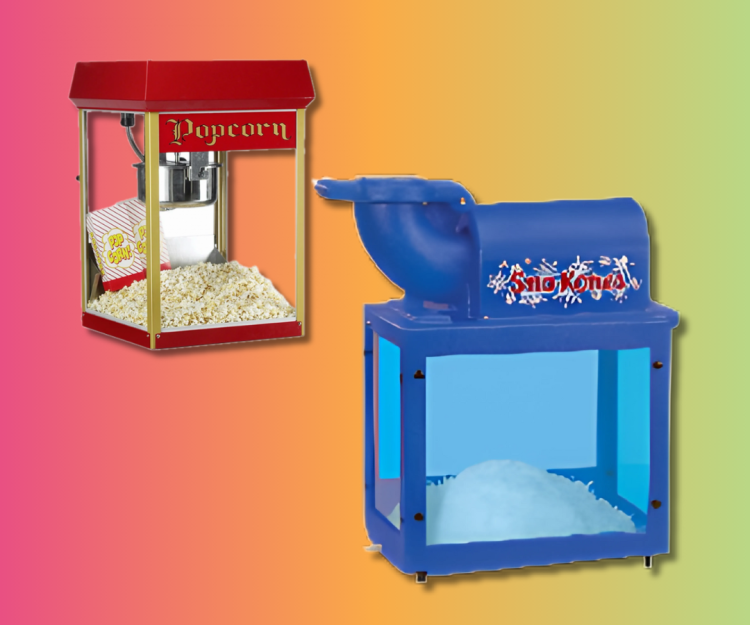
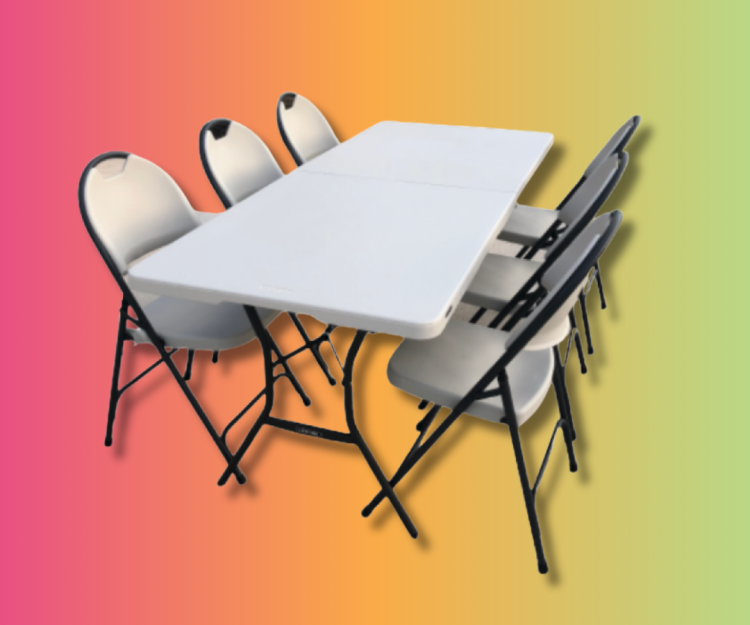
Concession equipment, tables, chairs, and interactive games each need their own cleaning routine, too. A complete party setup stays safer when every guest-facing item gets the same level of attention.
Drying Is a Safety Step, Not an Afterthought
A freshly disinfected bounce house is not ready for use until it is dry. Moisture can make the jumping surface slick, encourage mildew during storage, and leave an unpleasant odor behind. It can also cause vinyl sections to stick together when the inflatable is rolled up.
After the required disinfectant contact time has passed, follow label directions for wiping or rinsing. Then allow the unit to air-dry completely. Open entrances, tunnels, and vents so trapped moisture can escape. On a humid Florida day, drying may take longer than expected, especially in shaded areas or inside a combo unit with a slide.
Before packing up, run a clean, dry towel along seams, corners, and the bottom of slide lanes. These are the places where water tends to linger. If the inflatable must be stored before it is fully dry because of weather or timing, unroll and dry it again at the first safe opportunity. Storing damp vinyl is an invitation for mildew.
Build Sanitation Into Your Party Plan
For a backyard birthday, a few simple habits can keep the bounce house cleaner throughout the event. Ask children to remove shoes before entering, keep food and drinks outside the inflatable, and use hand sanitizer before play. Assign an adult to watch the entrance and make sure children are playing safely by age and size.
For schools, churches, and larger community events, plan for more frequent checks. Set up a hand-sanitizing station near the entrance, create age or size-based play rotations, and have a staff member monitor capacity. These practices do more than reduce mess. They help prevent overcrowding, collisions, and the kind of rough play that can end a party early.
Rain changes the equation. If the bounce house becomes wet inside, pause play immediately. Drying the surface with towels may help with a light mist, but a soaked unit should stay closed until it is safely dried. Wet vinyl is slippery vinyl, and safety always comes before keeping the schedule moving.
When to Call the Rental Company
If you rented the inflatable, do not use a household cleaner or disinfectant unless the rental company has approved it. Rental units are made from durable materials, but the wrong product can still affect the vinyl, printed graphics, or protective finish.
A professional rental provider should arrive with equipment that has been cleaned, sanitized, inspected, and prepared for use. At Moore Bounce and Party Rentals, clean and safe rentals are part of the job, not an optional add-on. After your event, let the team know about spills, mud, rain exposure, or any damage so the unit can receive the right care before its next party.
You should also contact the rental company if you notice a tear, an air leak, a loose anchor point, a damaged blower, or an unusual odor. Do not try to patch a commercial inflatable with household tape or continue using equipment that does not look right. A quick call can protect your guests and prevent a small issue from becoming a bigger one.
A Clean Bounce House Helps Everyone Enjoy the Day
The best sanitation routine is consistent, not complicated. Clean off visible dirt first, use a vinyl-safe disinfectant as directed, give it enough contact time, and make sure every surface is dry before anyone plays or the unit goes into storage. Add sensible party rules, and you have a cleaner play space without taking the fun out of the day.
A well-cared-for bounce house tells guests that their safety matters. That peace of mind is one of the easiest ways to make a birthday, school field day, or neighborhood celebration feel like a real success.