
A bounce house that loses power halfway through a birthday party is not a small inconvenience. It can stop the fun, disrupt food service, and leave you scrambling while guests wait. This outdoor event power planning guide helps you get the behind-the-scenes details right before the first child arrives, whether you are planning a backyard celebration, school field day, church festival, or company picnic.
Power planning does not have to feel technical. The key is knowing what needs electricity, how much it needs, where the power will come from, and how it will be protected throughout the event. A little preparation gives you more time to enjoy the party and less time searching for an outlet.
Start With Everything That Needs Power
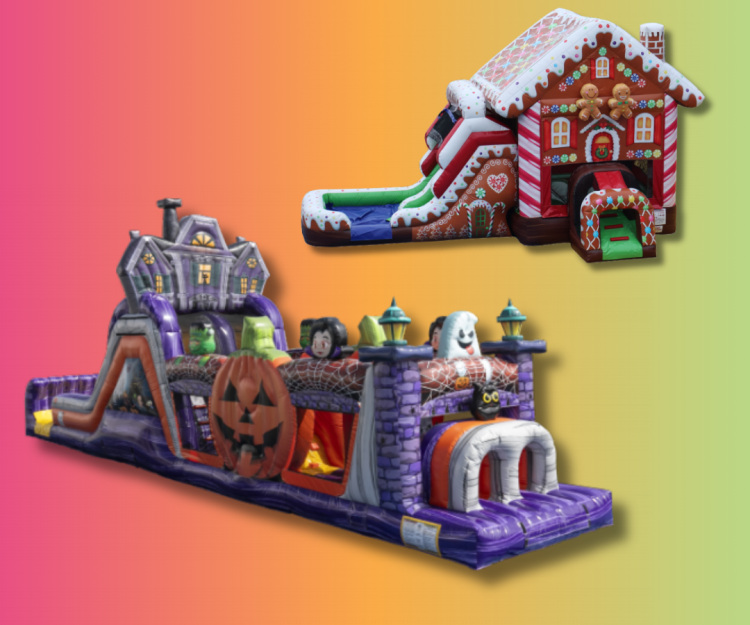
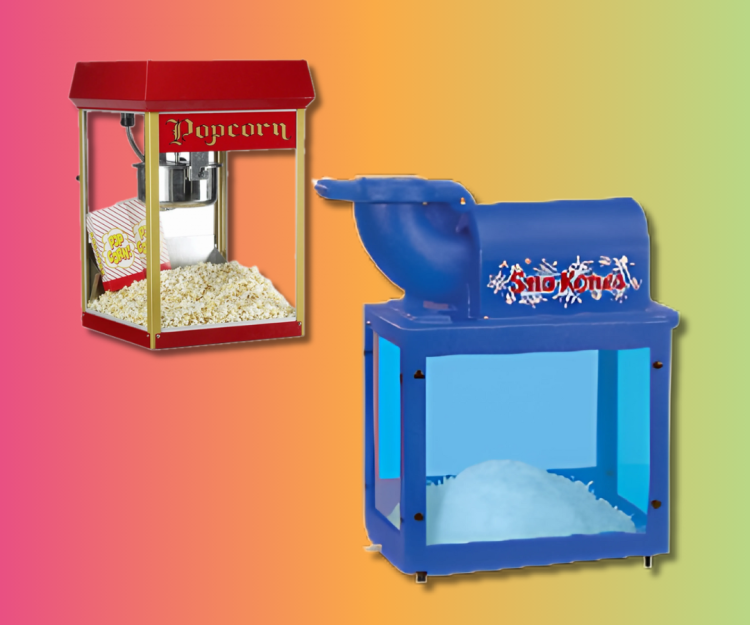
Begin by making a simple equipment list. Inflatables are often the most obvious item, but they are rarely the only one. A fun event may also include a snow cone machine, popcorn machine, sound system, string lights, fans, phone chargers, catering equipment, or a portable restroom with lighting.
Do not assume that one outlet can support the whole setup. Most inflatable blowers need a dedicated electrical circuit, meaning that circuit should power the blower and nothing else. Adding a concession machine or speaker system to the same circuit can trip the breaker, especially when a blower starts up.
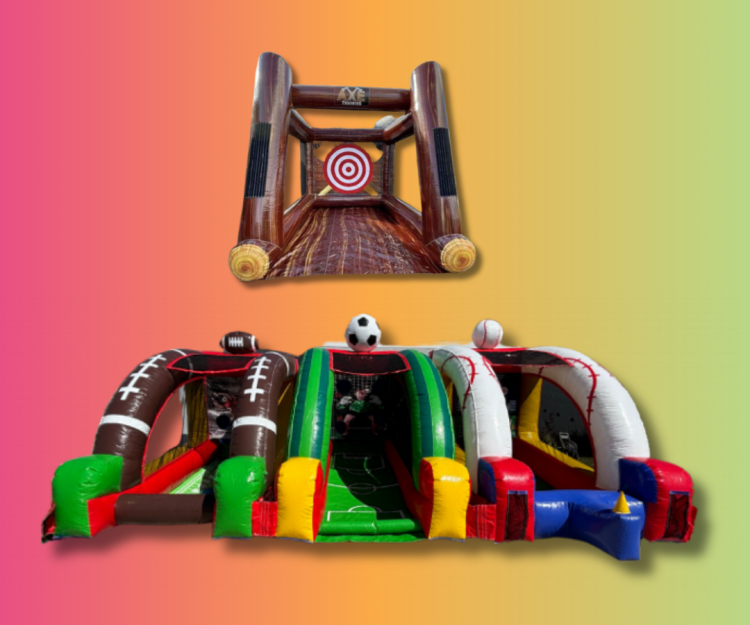
Ask your rental provider for the electrical requirements of every item you reserve. This is much better than guessing based on the size of a bounce house or the number of extension cords you have in the garage. Larger slides, obstacle courses, and multi-piece interactive attractions may require more than one blower and more than one dedicated circuit.
For larger events, write down each item, its power requirement, and its planned outlet or generator connection. That small map becomes very useful during setup, when several rentals, caterers, and volunteers are arriving at once.
Check Your Home or Venue Before Booking
A standard household outlet is usually 120 volts, but outlets that look similar may be connected to the same circuit. In a backyard, two patio outlets can share one breaker. If an inflatable blower is on one outlet and a refrigerator, garage freezer, or outdoor lights are on the other, you could still overload the circuit.
Before event day, locate your electrical panel and identify accessible outdoor outlets. Test them if possible. If a breaker trips easily under normal use, do not make it the foundation of your party plan.
Distance matters, too. Long extension cord runs can create voltage drop, which means equipment may not receive the steady power it needs. Keep runs as short as practical, and make sure the cords are rated for outdoor use and the equipment load. Thin household cords are not a good choice for inflatable blowers.
If your event is at a park, church, school, or community space, contact the venue early. Ask which outlets are available, whether they are dedicated, how far they are from the setup area, and whether outside generators are allowed. Some locations have power restrictions, quiet-hour rules, or designated generator areas.
When a Generator Is the Better Choice
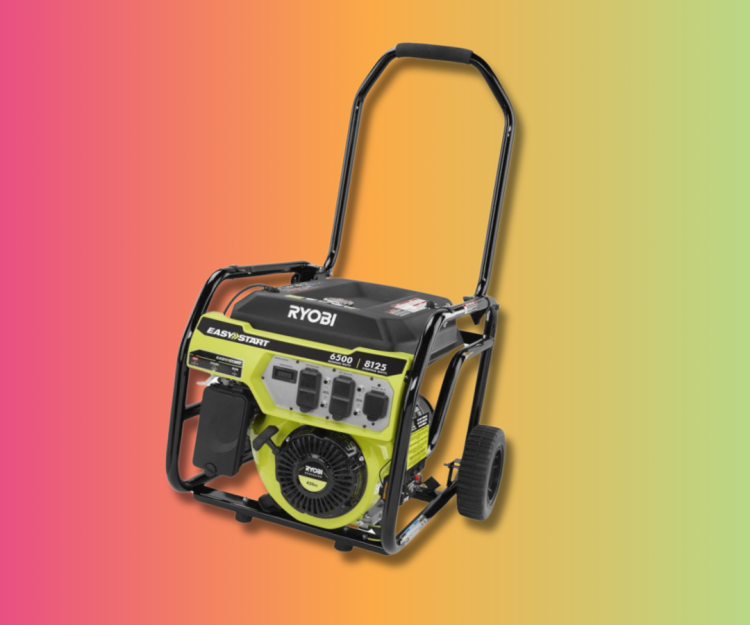
A generator is often the cleanest answer when the event is in an open field, far from building power, or using multiple attractions. It can also be a smart backup for an event with a busy power load. The right generator gives your entertainment its own dependable source instead of asking one home circuit to do too much.
Generator sizing depends on the total running wattage of your equipment and the extra surge needed when motors start. This is why it is best to share your full rental list with the provider rather than selecting a generator based on a rough estimate. A generator that is too small may struggle, shut down, or damage the event experience. One that is much larger than needed can add unnecessary cost, fuel use, and noise.
A generator should sit outdoors on level, dry ground, away from guests, tents, doors, windows, and air-intake areas. It needs room for ventilation and a protected route for cords. Never place a generator inside a garage, tent, shed, or enclosed space, even if the doors are open.
For events in Wesley Chapel and the greater Tampa area, heat is another reason to think ahead. Fans, coolers, and concession equipment can become part of the plan quickly on a warm Florida afternoon. If your guest comfort depends on powered equipment, build that load into your generator calculation from the start.
Keep Cords Safe and Out of the Fun Zone
The safest cord is one guests never need to step over. Plan equipment placement so power can travel along fence lines, behind tents, or outside the main traffic path. Keep cords away from water play areas, pool decks, sprinkler zones, and places where children line up for slides or games.
When a cord must cross a walkway, cover and secure it with a proper cord protector. Do not rely on a loose rug, cardboard, or a strip of tape that can peel up in the heat. Those quick fixes can create a trip hazard or leave cords exposed to damage.
Use outdoor-rated cords with grounding plugs, and inspect them before use. Replace any cord with cracked insulation, bent prongs, loose connections, or exposed wire. Extension cords should be fully uncoiled while in use because a tightly coiled cord can build heat under a heavy load.
Keep connections off wet grass whenever possible. If rain is in the forecast, ask how rental equipment should be protected and what the weather policy is before your event. Water and electricity require extra care, and a safe provider will always put operating standards ahead of trying to push through unsafe conditions.
Build a Plan for Rain, Heat, and Timing
Outdoor power planning is also weather planning. A clear morning can turn into an afternoon shower, especially during Florida’s rainy season. Know where you can move small electrical items if rain starts, and avoid placing power strips or connections directly on the ground.
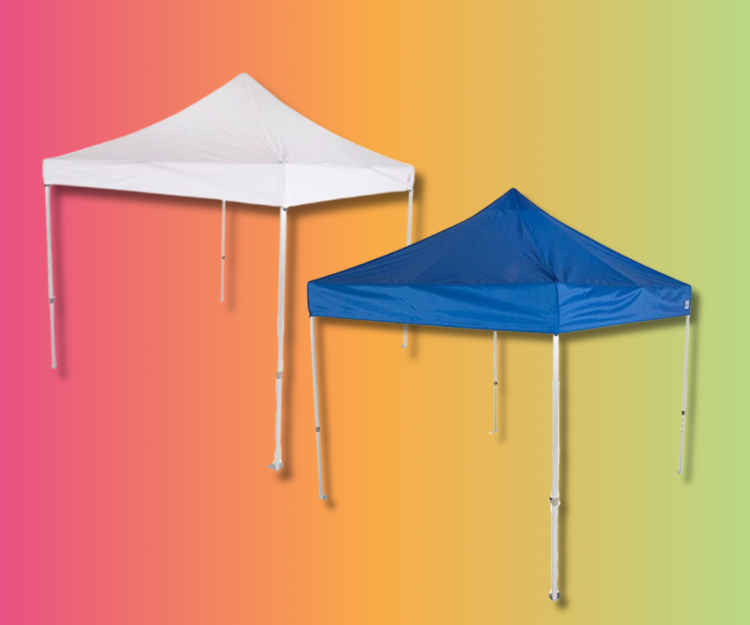
Tents can help create a comfortable event space, but they do not make electrical equipment weatherproof. Generators still need open-air ventilation, and cords still need dry, protected connections. If high winds, lightning, or heavy rain arrive, pause activities and follow the rental company’s safety instructions.
Timing affects your needs as well. A two-hour morning party with one bounce house has a very different load than an evening school festival with lights, music, concessions, and several inflatable attractions. Consider when each item will be switched on. Staggering startup can prevent a sudden demand spike, particularly at venues with limited electrical capacity.
Assign One Person to Watch the Setup
You do not need an electrician on the guest list, but you do need one responsible adult who knows the power plan. This person should know where the electrical panel is, which circuits are assigned to which equipment, where the generator is located, and how to contact the rental provider if something changes.
That person can also keep well-meaning guests from unplugging a blower to charge a phone or moving a cord to make room for a chair. At larger events, this simple role keeps small changes from becoming a power problem.
Moore Bounce and Party Rentals can help customers match generators and event equipment to the setup they have planned. Clean and safe rentals are only part of a great party experience – reliable power and thoughtful placement matter just as much.
Before guests arrive, take one final walk around the event area. Check that blowers are connected, cords are protected, generator space is clear, and no outlet is doing more than it should. Then turn on the fun, welcome your guests, and let the party run the way you planned it.