
A sunny Wesley Chapel morning can turn into a stormy afternoon before the birthday cake is cut. That is why an inflatable rental weather guide belongs on every party checklist, right beside the guest count and cake order. Weather does not have to ruin the fun, but it does need a real plan. The safest events are the ones where the host, venue, and rental team agree on the setup area, watch the forecast, and know when play needs to pause.
Start With the Forecast, Not Just the Temperature
Florida weather is more than a high-temperature number on a phone screen. Look at the hourly forecast for your event window, including rain chances, wind speeds, heat index, and thunderstorm timing. A 20 percent chance of rain at 9 a.m. is very different from a 70 percent chance of thunderstorms at 3 p.m., when your guests will be lining up for the slide.
Check again the evening before and on the morning of your event. Conditions can change quickly, especially in spring and summer. If you are planning a school field day, church festival, or community event with several attractions, assign one adult to monitor weather alerts throughout the day. That simple job keeps the person running the event from having to make a rushed decision while managing a crowd.
A forecast is a planning tool, not a guarantee. If dark clouds are building nearby or you hear thunder, act on the conditions at your location rather than waiting for the weather app to catch up.
Rain and Wet Ground: When the Fun Has to Pause
Light rain may feel harmless from under a patio, but rain changes the surface of an inflatable. It can make climbing areas and slide lanes slippery, reduce visibility for supervisors, and create muddy traffic around entrances and exits. Water can also collect in low areas of the yard, leaving children stepping into puddles as they enter or leave the unit.
When rain begins, stop play and have everyone exit calmly. Do not allow children to keep sliding “just one more time.” Adults should guide guests away from the inflatable and toward a dry, sheltered area. Resume only when the rain has stopped, the unit has been checked, and the rental provider confirms that conditions are appropriate.
Before delivery day, walk your setup area after a heavy rain if possible. Choose level ground that drains well and stays clear of standing water. Avoid slopes, soft soil, sprinkler heads, sharp landscaping edges, pet waste, and areas beneath branches. A clean, open setup space helps the crew anchor the inflatable properly and gives guests a safer path around it.
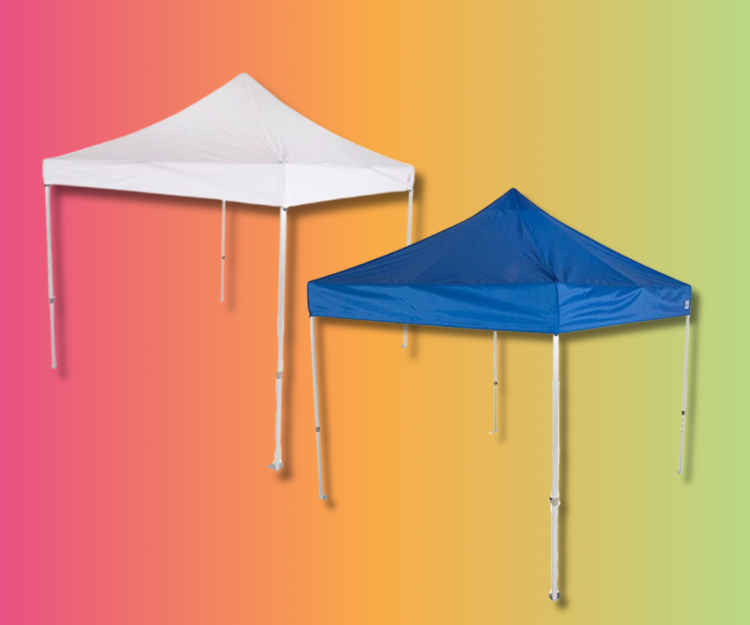
A tent can be a smart addition for food tables, seating, gifts, and adults who need shade. It is not a substitute for weather safety around an inflatable. Do not assume an inflatable can operate under a tent or during rain simply because guests have cover nearby. Every unit has specific clearance, anchoring, and operating requirements.
Wind Is the Weather Risk Guests Often Miss
Wind can arrive before the rain, and it is one of the biggest reasons an inflatable must be shut down. Inflatables are secured with anchors or weight systems based on the surface and setup conditions, but no anchoring method makes an inflatable safe in excessive wind. Gusts are especially tricky because a calm few minutes can be followed by a sudden stronger burst.
Follow the operating limits provided by your rental company and the inflatable manufacturer. If the crew says wind conditions are not safe for setup or continued use, that decision protects your guests. Moore Bounce and Party Rentals absolutely will not sacrifice your safety for business, and a responsible weather call is part of world-class service.
Watch for more than a number on a forecast. Bending trees, blowing decorations, loose patio umbrellas, and sudden gusts around a storm are all signs to pause play and get children off the unit. Do not attempt to hold down, move, deflate, or re-anchor an inflatable yourself while it is in use or while wind is increasing. Keep guests clear and contact the rental provider for direction.
Lightning Means Everyone Exits Immediately
Lightning is never a wait-and-see situation. At the first sound of thunder or sight of lightning, stop play, clear the inflatable, and move guests into a substantial building or enclosed vehicle. A canopy, pavilion, open garage, or small pop-up tent does not provide the same protection.
This rule applies even if the storm seems far away or rain has not started. Thunder means lightning is close enough to be dangerous. Keep the attraction closed until the weather has fully moved through and your provider says reopening is appropriate. For larger events, build a lightning plan into your schedule before guests arrive, including where groups will shelter and how supervisors will communicate the pause.
Plan for Florida Heat, Too
A clear day can bring a different challenge: hot surfaces, dehydration, and tired kids. Dark vinyl, especially on a slide or obstacle course, can heat up quickly in direct sun. Younger children may not realize they are getting overheated until they are already uncomfortable.
Place a water station near, but not inside, the play area. Schedule short breaks between rounds, encourage socks or appropriate footwear if the rental rules allow it, and make sure adults are supervising rather than watching from far across the yard. Shade from a tent, plus tables and chairs for parents and grandparents, can make the entire event more comfortable.
The timing of your party matters. A late-morning event may avoid the strongest afternoon heat and the most common thunderstorm window, while an early-evening event can feel cooler but may leave less daylight for setup and play. There is no perfect time for every season, so weigh your guest ages, venue, and forecast when choosing your start time.
Build a Weather Backup Before You Book
The best backup plan is specific enough to use. “We will figure it out” creates stress when guests are already arriving. Decide whether you can shift the party time, move food and seating indoors, use a covered area for non-inflatable activities, or choose a different date if severe weather is likely.
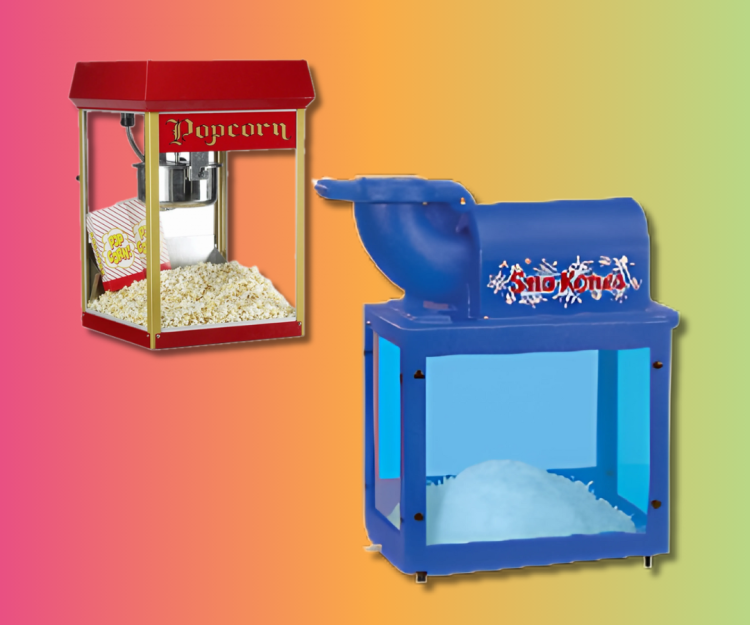
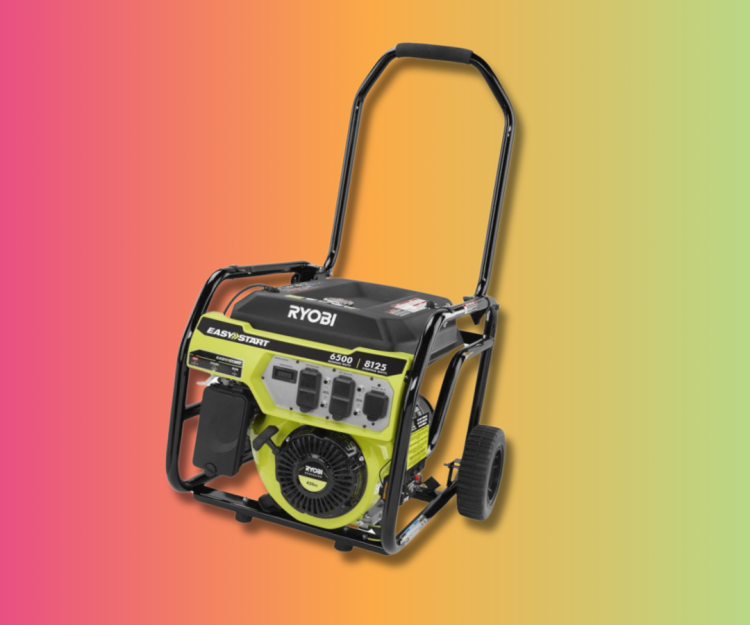
For a backyard birthday, a simple indoor backup might be cake, concessions, music, and a few organized games while everyone waits out a passing shower. For schools and organizations, consider reserving a gym, multipurpose room, or pavilion for the parts of the program that can safely continue without inflatables. Generators, tents, tables, chairs, and concession equipment can solve practical event needs, but they should be selected for the conditions and venue rather than added at the last minute.
When you book, share anything that could affect setup: grass versus concrete, gates and narrow access paths, underground irrigation, nearby power outlets, trees, fences, and whether the event is at a home, park, school, or church. Ask about weather procedures before event day, including what happens if conditions prevent safe setup or require early shutdown. Clear answers make planning easier.
A quick weather-day decision check
Use these four questions before guests begin playing: Is the setup area dry and stable? Is the inflatable properly installed and operating normally? Are winds within the provider’s approved limit? Is there no thunder, lightning, or approaching severe weather? If any answer is no, keep the unit closed and contact the rental team.
Give Kids Fun They Can Enjoy Safely
Weather planning is not about taking the excitement out of a party. It is what lets everyone enjoy the bounce house, slide, obstacle course, or interactive game without guessing whether conditions are safe. Clean and safe rentals, attentive supervision, and a flexible backup plan work together to protect the part that matters most: your guests.
Set your weather plan before invitations go out, keep an eye on conditions as party day approaches, and be ready to pause when nature calls for it. Kids will remember the laughter, the racing, and the birthday cake. They will not mind a short weather break when the adults have already made the next step easy.