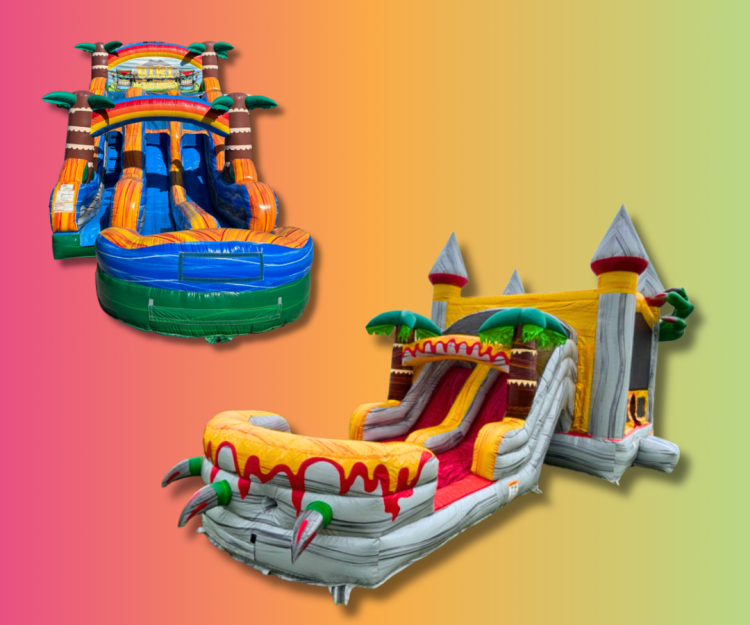
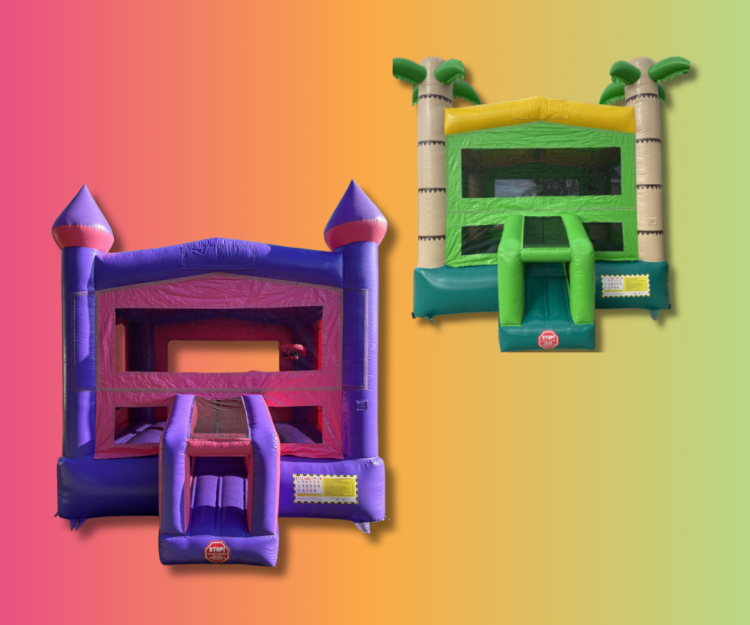
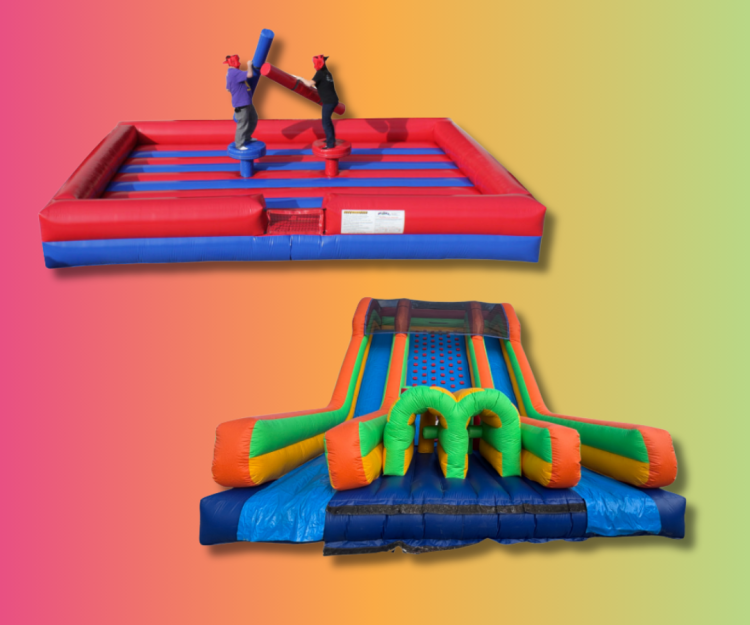
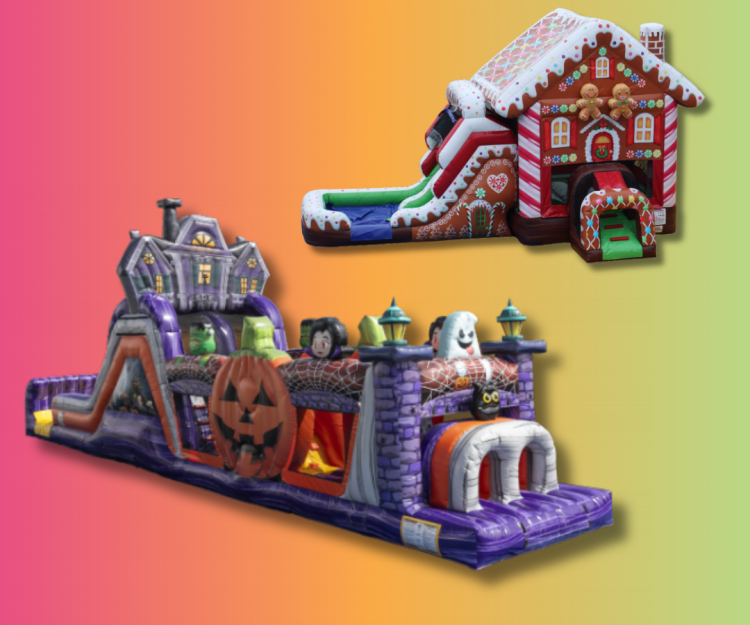
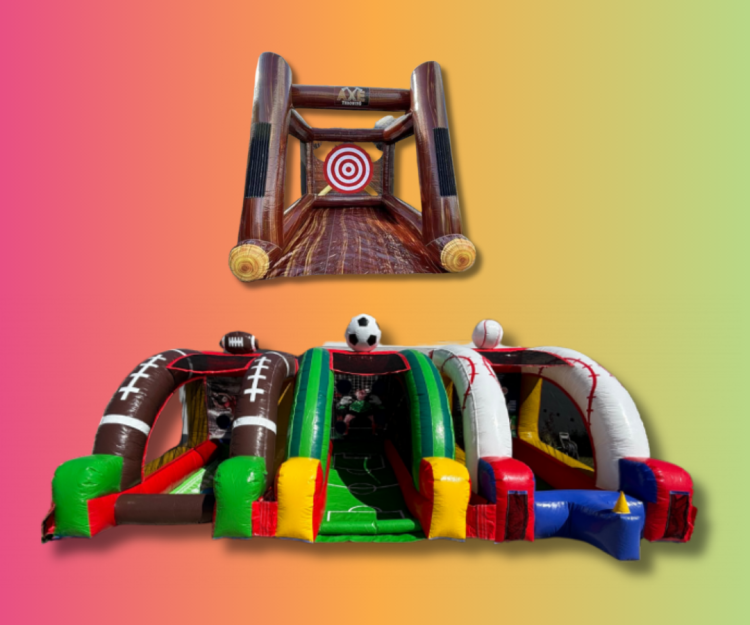

A bounce house can be fully set up, colorful, and ready for guests in minutes – until the blower has nowhere safe to plug in. Knowing how to power outdoor inflatables before delivery day prevents the last-minute scramble that can delay a birthday party, school field day, church festival, or company picnic.
The good news is that most backyard setups are straightforward. The key is not simply finding an outlet. You need enough electrical capacity, the right outdoor-rated extension cord, and a dry, protected setup area. For parks, open fields, and larger events, a properly sized generator may be the better answer.
How to power outdoor inflatables safely
Every inflatable needs a blower running continuously while guests are playing. The blower keeps the unit firm and safe to use, so it should never be unplugged or switched off until everyone has exited the inflatable.
For many residential bounce houses, slides, and combo units, one dedicated standard household outlet on a 20-amp circuit is enough. “Dedicated” matters. That outlet should not also be powering a refrigerator, freezer, patio lights, sound system, concession machine, or a row of phone chargers. A circuit may look available, but a hidden appliance inside the home can trip it once the blower starts.
Before your event, test the outlet by plugging in another small device or ask your rental provider what the inflatable requires. Different units and blower sizes have different power needs. Large obstacle courses, tall slides, and multi-piece attractions may require more than one separate circuit or a generator.
Choose an outlet close to the setup area
The closer the outlet is to the inflatable, the better. Shorter cord runs reduce trip hazards, avoid voltage drop, and make the setup cleaner. An exterior outlet is ideal because it eliminates the temptation to run a cord through a doorway, window, or garage opening.
Use an outlet with ground-fault circuit interrupter protection, commonly called GFCI protection. These outlets are designed for outdoor and wet-area use and can shut off power if they detect a fault. They usually have small “test” and “reset” buttons on the faceplate. If the outlet trips, do not keep resetting it without finding the cause. A wet connection, overloaded circuit, damaged cord, or faulty equipment needs attention first.
If your outdoor outlet has no weatherproof cover, keep the connection protected from sprinklers, standing water, and curious little hands. The blower itself should sit on dry, level ground with its air intake clear of grass clippings, leaves, decorations, and party supplies.
Use the right extension cord
A lightweight indoor extension cord is not a party-power solution. It can overheat, lose voltage over distance, and create a safety problem. Always use a grounded, three-prong extension cord rated for outdoor use.
For a typical inflatable setup, a heavy-duty 12-gauge outdoor extension cord is a smart choice for runs up to about 50 feet. If you need to go farther, ask your rental team for guidance. Longer runs often call for a heavier 10-gauge cord to help the blower receive consistent power.
Keep the cord as short as practical and fully uncoil it before use. A cord left tightly coiled can build heat under a heavy electrical load. Inspect it for cuts, crushed sections, loose plugs, or exposed wire before the party starts. If it is damaged, replace it – do not cover the problem with tape.
Run cords along the edge of the event space, not through a walkway or under the inflatable. Avoid placing them under rugs, across driveways, or where chairs and tables will sit on them. Where guests may cross a cord, secure it with purpose-made cord covers or route foot traffic another way. Bright cones or small barriers can help make the power area obvious at larger events.
Plan circuits for more than one inflatable
One inflatable may be easy. Two or three attractions change the conversation quickly.
Do not plug multiple blowers into one outlet with a power strip, splitter, or household multi-outlet adapter unless your rental provider specifically confirms that the circuit and equipment can handle it. A power strip does not create more electricity. It only lets more devices compete for the same circuit.
For a party with several inflatables, map the power before delivery. Find which exterior outlets are on separate breakers, then assign one blower per dedicated circuit when possible. If you are unsure which outlets share a circuit, test them before event day or use a generator plan instead.
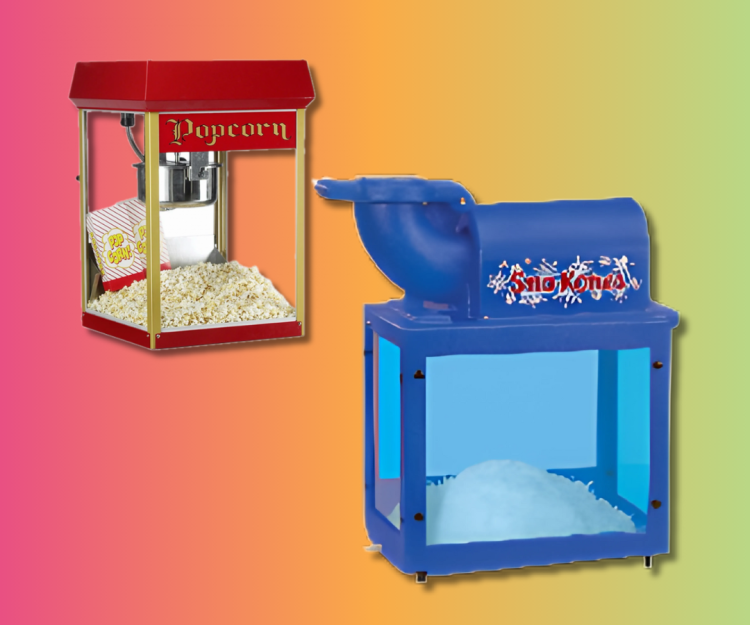
Also account for the equipment that tends to show up after the inflatable is planned. A popcorn machine, snow cone machine, DJ speaker, coffee urn, patio string lights, and food warmer can all add up. These items may need their own circuits, especially when they use heating elements or motors.
Watch for signs of an overloaded circuit
A breaker that trips is doing its job. It is warning you that the circuit is carrying more than it should. Other signs include lights dimming when the blower starts, a warm extension cord, a buzzing outlet, or a blower that sounds weak and struggles to keep the inflatable firm.
If this happens, stop using the setup and disconnect the equipment. Move the blower to a separate dedicated outlet, reduce the other electrical load, or switch to a generator. Never bypass a breaker, use a damaged cord, or keep restarting equipment in hopes that it will hold.
When a generator is the best choice
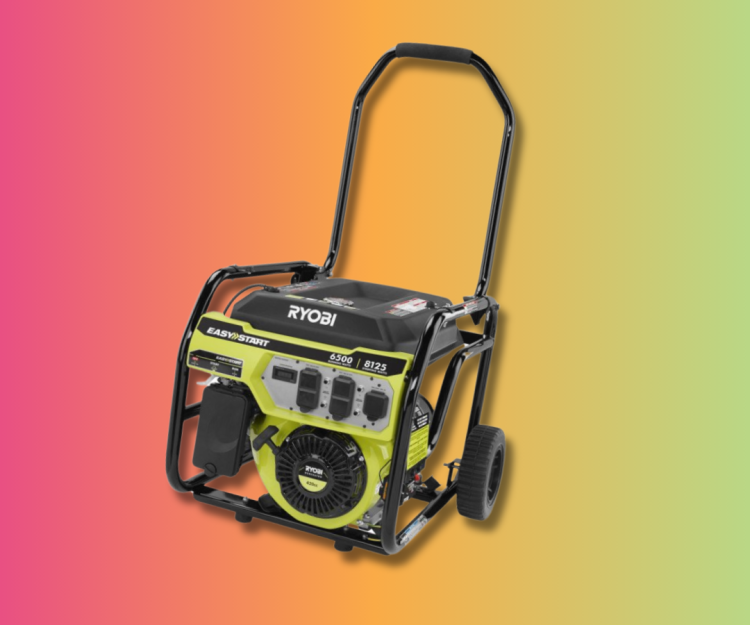
Generators make inflatable fun possible at parks, school fields, open lots, and venues without convenient outlets. They are also a practical option when a large event needs multiple inflatables, concessions, lighting, and sound equipment.
Generator sizing depends on the number and type of blowers plus any additional equipment. The safe approach is to total the running wattage of everything you plan to use, allow extra capacity for startup demand, and leave at least 20 to 30 percent headroom. A generator that is barely large enough can run inconsistently, trip overload protection, and leave guests waiting while the event pauses.
A single blower may work with a modest generator, but a large slide, obstacle course, or several attractions can require significantly more power. Add concession equipment and the demand rises again. This is one reason bundled event planning is so helpful: your inflatable provider can help match the power source to the actual rental package rather than making you guess from a generic generator label.
Set up the generator with safety in mind
Generators must stay outdoors in a dry, well-ventilated area. Never place one inside a garage, tent, shed, screened enclosure, or near open doors and windows. Carbon monoxide is odorless and dangerous, so keep the unit well away from guests and structures according to the generator manufacturer’s instructions.
Place the generator on level ground where children cannot access it and where its exhaust will not blow toward the party. Keep fuel away from heat sources and never refuel a hot generator. If possible, assign an adult to monitor the generator, cords, fuel level, and event power throughout the day.
Generator noise is another trade-off. Positioning it farther from the party helps, but the cord distance and gauge still need to be appropriate. For a backyard gathering, reliable house power may be quieter and simpler. For a community event in an open space, the flexibility of a generator is often worth it.
Weather changes the power plan
Florida celebrations can begin under bright sunshine and end with a fast-moving afternoon storm. Electricity, water, and inflatables are not a combination to take lightly.
Do not operate an inflatable in rain, standing water, lightning, or unsafe wind conditions. If weather moves in, have guests exit calmly, turn off the blower as directed by your rental provider, and protect electrical connections from moisture. Do not restart until the area, equipment, and cords are dry and conditions are safe.
Avoid spraying water near a standard dry inflatable, even when the kids are hot. If you rented a water slide or wet-use unit, follow the setup and operating instructions carefully. Water attractions have specific hose, drainage, and electrical requirements designed to keep the fun controlled and safe.
Make power part of the reservation conversation
When booking, share the location type, the distance from the nearest outlet, the number of inflatables, and any extra equipment you want to run. A backyard in Wesley Chapel with a nearby exterior outlet has different needs than a school carnival on a wide athletic field.
Moore Bounce and Party Rentals can help customers think through the practical details before setup day, including whether a generator makes sense for the event. That planning protects the fun. It also protects your schedule, because a party runs better when the power plan is ready before the guests arrive.
A little preparation gives the blower one job: keeping the inflatable full of energy from the first jump to the final pickup. Set aside a safe outlet or generator plan early, keep cords dry and clear, and let the kids focus on the part that matters most – having an unforgettable time.