
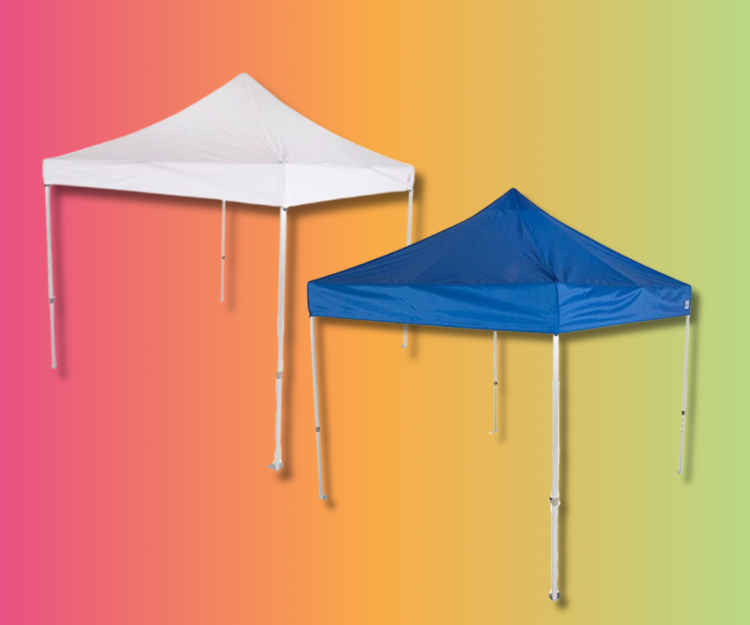

A few raindrops do not have to end a backyard birthday or school celebration. But can tents withstand light rain? In many cases, a properly installed event tent can keep guests, food tables, gifts, and seating much more comfortable during a passing shower. The key is knowing what a tent is designed to handle – and when changing conditions call for a different plan.
For families and event planners in the Tampa-area, rain planning is part of hosting outdoors. Florida weather can switch from sunny to rainy fast, especially during warmer months. A quality tent gives your party a practical layer of protection, but it is not a guarantee against every weather condition.
Can Tents Withstand Light Rain at a Party?
Yes, most commercial party tents can withstand light rain when they are in good condition, installed correctly, and used as intended. Their water-resistant or waterproof canopy fabric is designed to shed ordinary rainfall rather than let it drip directly onto your guests.
That makes a tent a smart choice for covering tables and chairs, a concession station, a gift table, or a group of guests who need shade and a dry place to gather. It can also give you valuable flexibility when a brief shower passes through right before cake time.
Still, “light rain” is the important phrase. A tent canopy can shed water, but it is not the same as a fully enclosed building. Heavy rain, strong wind, lightning, pooling water, and saturated ground can all change the safety picture quickly. The tent itself may remain standing while the event area becomes uncomfortable or unsafe.
What Makes a Tent Reliable in Rain?
A tent’s performance is about more than the fabric overhead. Professional event tents are maintained, inspected, and set up with an anchoring method that fits the surface and conditions. A secure frame, properly tensioned top, and correct staking or weighting help the canopy hold its shape so rain can run off as it should.
The setup location matters just as much. A tent placed in a low part of the yard may become a gathering point for water. One set beneath a tree can collect leaves and small branches, while a spot next to a roof edge may receive a surprisingly heavy stream of runoff. Even a light shower can feel much bigger if water is being funneled onto the canopy from above.
Tent size also affects comfort. A tent may physically cover a certain number of tables, but a crowded layout leaves little room for guests to step away from wet edges. It is usually better to give the seating area some breathing room and use the covered space for the items that truly need protection.
Water Pooling Is a Warning Sign
The biggest rain-related concern for a tent canopy is pooling water. If water gathers in a dip instead of running off, its weight can stretch the fabric and put pressure on the frame. This is not a do-it-yourself situation.
Keep guests out from under any area where water is collecting, and contact the rental provider for guidance. Never poke, cut, or push up on a canopy to drain pooled water. That can damage the tent, suddenly dump water on someone, or create an injury risk.
Wind Changes the Answer
Rain by itself is one thing. Rain combined with wind is another. Gusts can drive water sideways under open tent walls, move unsecured items, and place added stress on the tent structure. A sidewall may help with wind-blown rain in some setups, but it can also change how wind moves around the tent.
This is why tents should always be installed and adjusted by people who understand the equipment and site. Do not move anchors, hang heavy decorations from the frame, or add sidewalls on your own after setup. Safety comes before keeping the party schedule exactly as planned.
Plan the Tent Location Before Delivery
The easiest weather solution is good site selection. Before reserving a tent, walk the event area after a rain if possible. You are looking for firm, level ground that drains well and gives guests a clear path to the house, restroom, driveway, or parking area.
Avoid setting up over sprinkler heads, septic components, irrigation lines, loose gravel, or visibly soggy grass. Tell your rental company about gates, fences, slope, overhead branches, power lines, and any underground utilities. These details help the team choose a safer placement and anchoring approach.
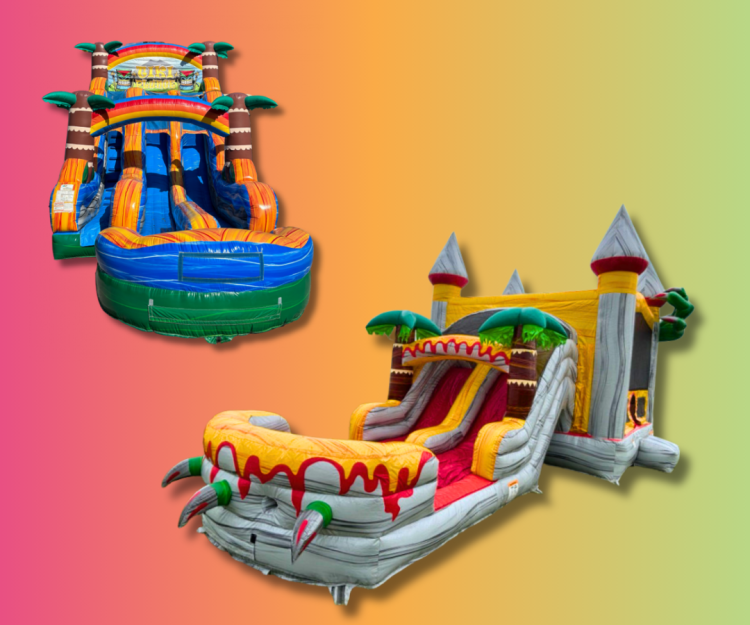
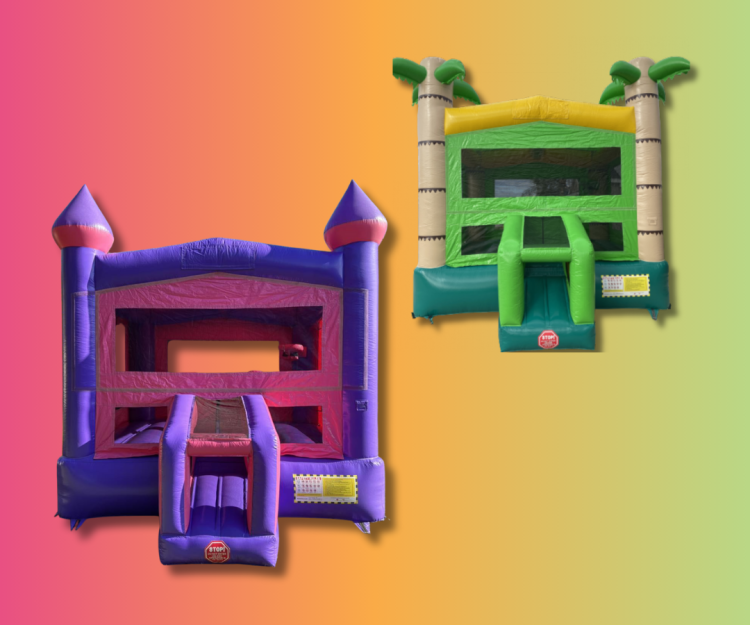
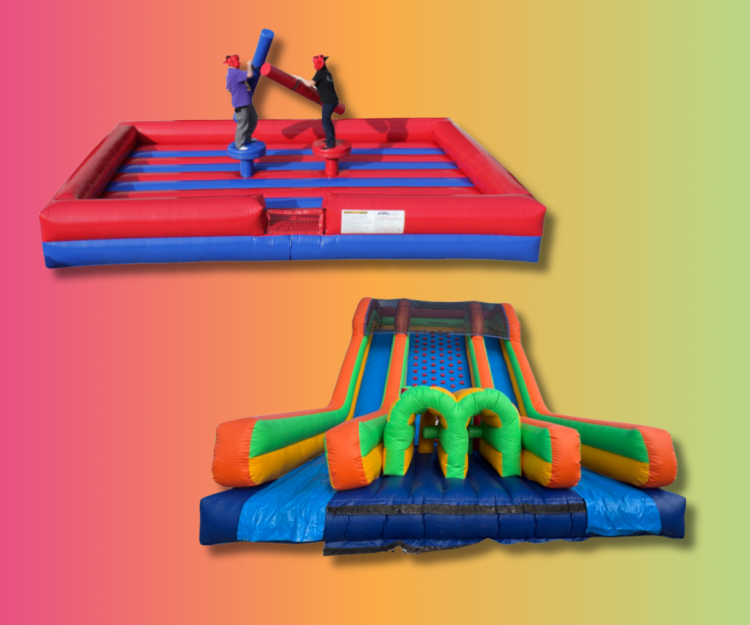
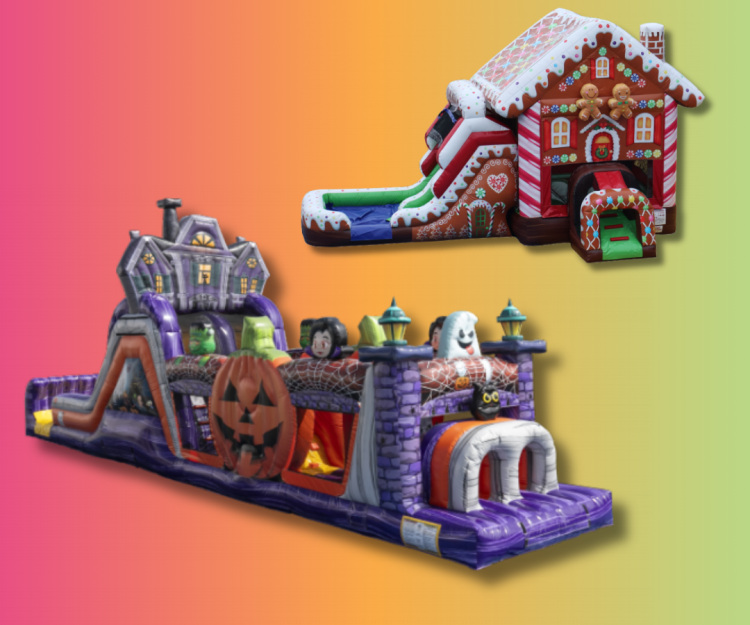
If your celebration includes a bounce house, slide, or other inflatable, plan separate areas for covered seating and active play. Tents are excellent for keeping the grown-ups comfortable, but inflatables have their own weather and operating rules. Rain or wind may require play to pause, even if guests can remain under a tent.
A Simple Rain Plan Keeps the Fun Moving
You do not need a complicated backup plan. You need a clear one that everyone helping with the event understands. Decide where guests will go if rain picks up, which items should be brought indoors first, and who will watch weather alerts during the party.
For a smoother outdoor event, prepare these essentials:
- Put food, cake, presents, and electronics under the most protected covered area.
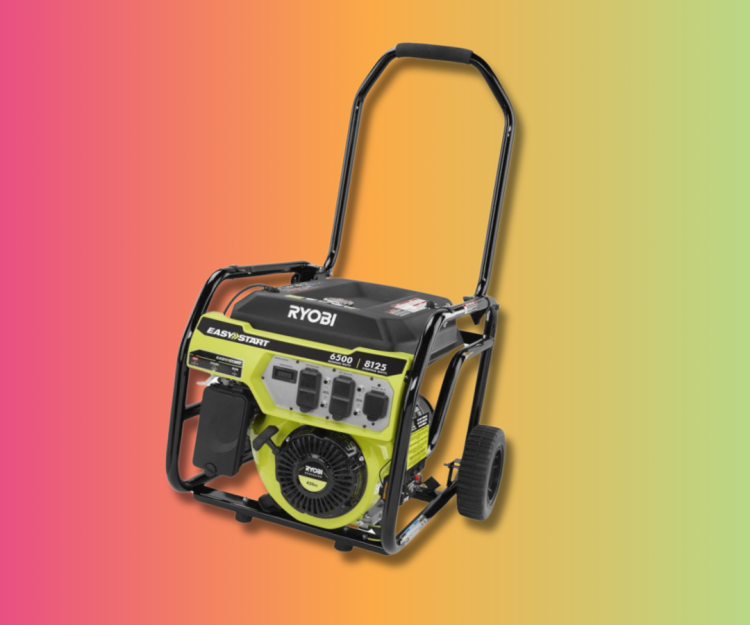
- Keep extension cords, power connections, and generators away from standing water and follow all operating guidance.
- Use table coverings or clips that will not blow loose if a breeze arrives with the rain.
- Leave a dry route between the tent and indoor shelter, especially for grandparents, young children, and guests using mobility aids.
- Have a designated adult ready to pause games or inflatable play if weather conditions change.
A tent should support your rain plan, not replace it. If there is a forecast for thunderstorms, lightning, or sustained strong winds, the responsible choice may be to delay, pause, relocate, or end outdoor activities. No birthday activity is worth taking chances with guest safety.
How Much Rain Is Too Much for a Party Tent?
There is no single rainfall amount that answers this for every event. The condition of the tent, the ground surface, wind speed, drainage, tent size, anchoring, and local weather alerts all matter. A quick, gentle shower on a calm day is very different from a storm cell that brings gusts, lightning, and repeated downpours.
If lightning is present or expected nearby, guests should move into a substantial enclosed building or hard-topped vehicle. A tent does not provide lightning protection. Likewise, if wind becomes strong enough to affect the tent or nearby objects, clear the area and follow the rental provider’s instructions.
Be especially careful with wet grass. Even when a tent is doing its job overhead, the ground around it can become slippery. Keep entry paths as clear as possible, watch young children near tent legs and anchors, and do not let guests climb, pull, or swing from any tent component.
Rent With the Full Event Setup in Mind
The best tent choice depends on what it needs to cover. A small family gathering may only need room for a few tables and chairs. A school, church, or community event may need separate covered zones for registration, dining, concessions, and guest seating.
Think through your event flow before choosing a size. Where will people line up? Where will food be served? Will a guest with a stroller or wheelchair have enough room to move comfortably? Answering those questions early prevents the common problem of renting a tent that technically fits the furniture but does not fit the party.
Moore Bounce and Party Rentals can help Wesley Chapel-area hosts pair tents with tables, chairs, generators, and fun attractions so the practical details are handled in one reservation. Clean and safe rentals, proper planning, and responsive service make it easier to focus on the guests instead of watching the sky every minute.
A light shower can become just another party memory when you have suitable coverage, a safe setup, and a sensible backup plan. Check the forecast, choose your site carefully, and give your guests a dry place to regroup – then get back to celebrating.