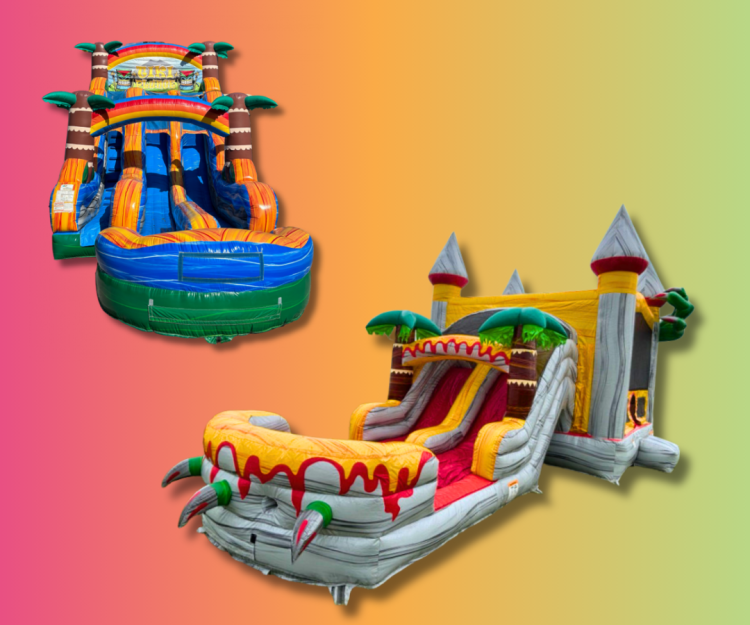
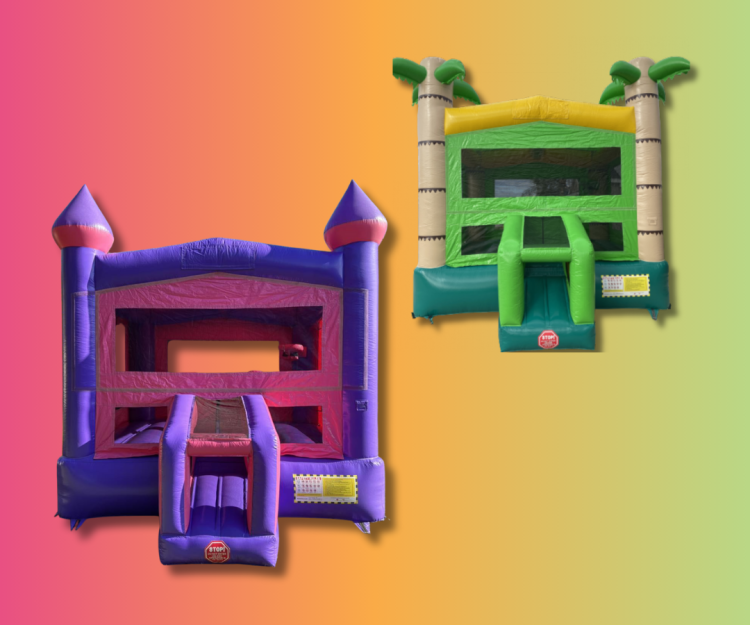
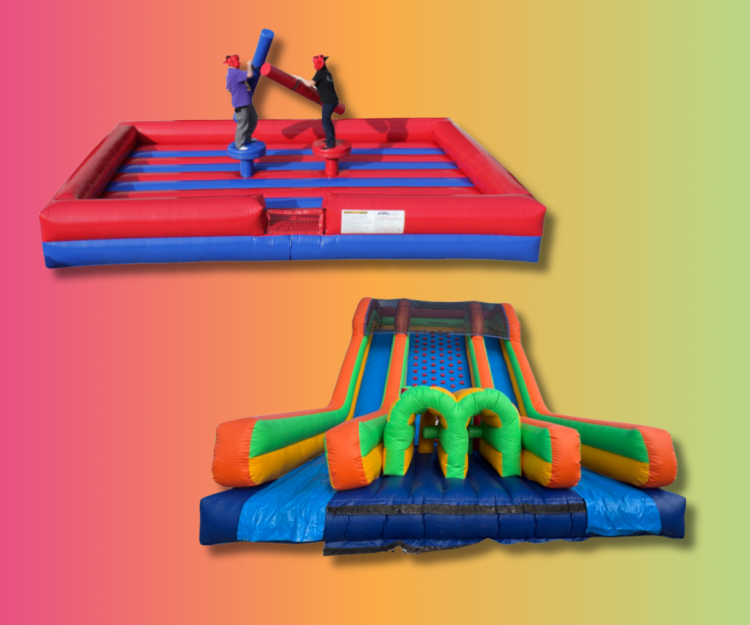
A bounce house can be delivered, clean, inspected, and ready for nonstop fun, but it still needs one thing before the first child jumps inside: dependable electricity. This outdoor event power guide helps families, schools, churches, and event planners avoid the frustrating surprise of discovering that the nearest outlet is too far away, overloaded, or unavailable.
Power planning is not the most exciting part of a party, but it protects the exciting parts. When you plan for it early, your inflatable stays inflated, your concession machine keeps serving treats, your music keeps playing, and your event can stay focused on fun instead of troubleshooting.
Start With the Equipment You Are Powering
Every event has a different power picture. A small backyard birthday with one bounce house may only need a dedicated household outlet nearby. A school field day with multiple inflatables, a snow cone machine, speakers, and shaded seating has much bigger needs. The key is to look at the full setup, not just the largest rental.
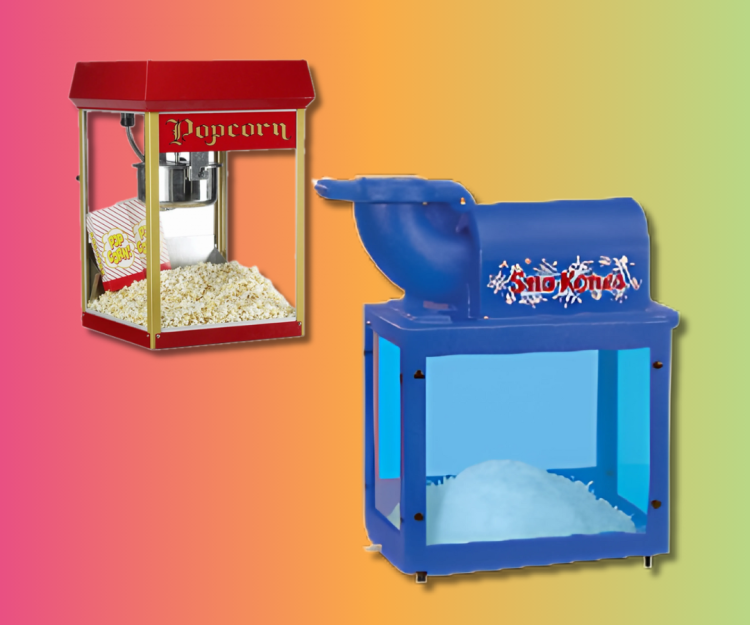
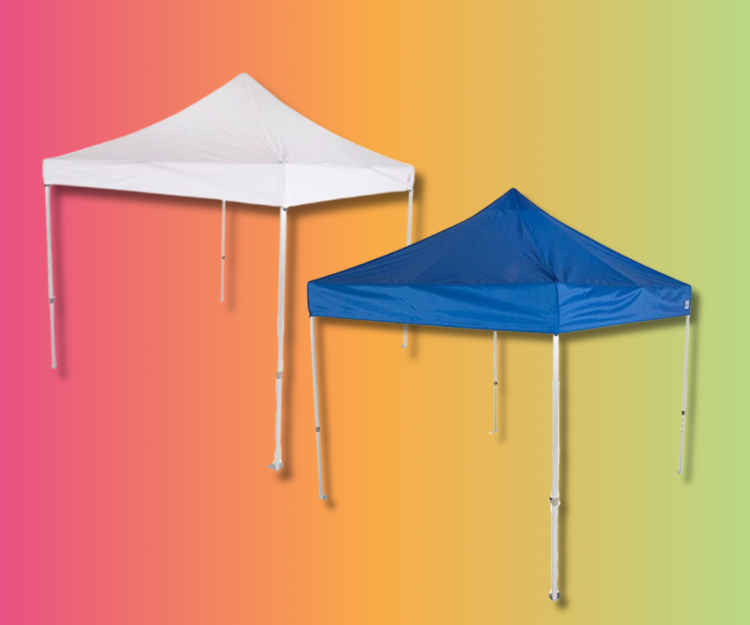
Inflatables use electric blowers that need a steady power source for the entire time they are in use. Concession machines, lighting, sound systems, fans, and phone chargers can add up quickly. A tent does not require power by itself, but it may become the home base for lighting, food service, fans, or a DJ station.
Before reserving equipment, make a simple list of everything that will need electricity. Include rental items, plus anything your family, caterer, entertainer, or venue plans to bring. That one step helps prevent a last-minute scramble for outlets and extension cords.
Check the Outlet Before Party Day
A standard household outlet can work well for the right setup, but location and capacity matter. The outlet should be grounded, in good condition, and close enough to the equipment without creating a trip hazard. Outdoor outlets are especially useful when they are protected from moisture and are not sharing a circuit with major appliances inside the home.
Avoid assuming that every outlet can handle multiple high-demand items. Plugging an inflatable blower, refrigerator, sound system, and concession machine into the same circuit can trip a breaker. If that happens, the party pauses while someone hunts for an electrical panel instead of enjoying the celebration.
If you are hosting at home, test the outlet ahead of time and identify which breaker controls it. If you are using a park, school campus, church lawn, neighborhood clubhouse, or other venue, ask the site contact exactly where power is located and whether outside use is approved. Do not rely on a quick glance during a venue tour. Some outlets may be locked, inactive, reserved for staff, or too far from the activity area.
Give Inflatables Their Own Space on the Circuit
For many backyard events, the safest approach is simple: give each inflatable the power arrangement recommended for that unit, and do not add unrelated appliances to that same circuit. A dedicated outlet helps the blower run consistently and reduces the chance of a power interruption during play.
This is also why the setup location matters. Choosing the perfect patch of grass at the far end of a property may look great until the cord route crosses a walkway, driveway, or guest seating area. Plan the placement around both safety and power access, not appearance alone.
When a Generator Is the Better Choice
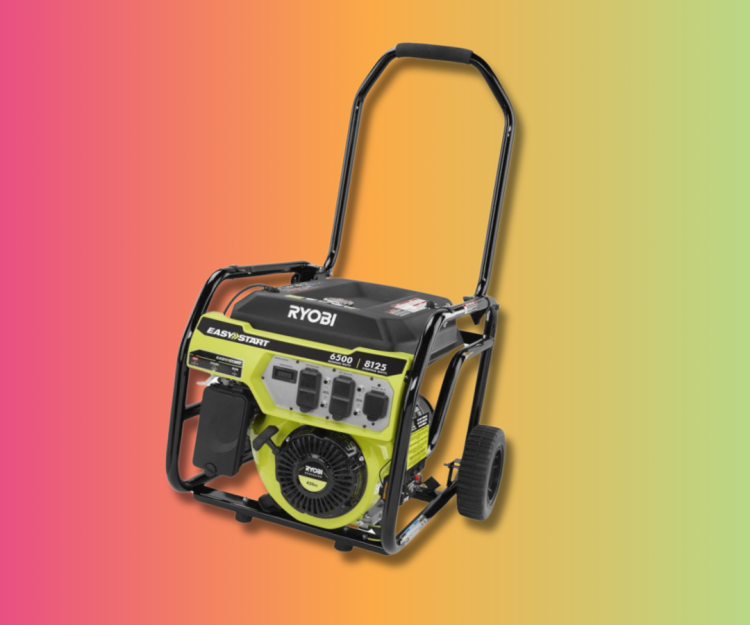
A generator is often the practical answer when an event is held in an open field, at a park without reliable outlets, or across a large space where house power cannot safely reach. It can also make sense for larger events with several attractions and food-service items operating at the same time.
Generators are not just for huge festivals. They are helpful for community events, company picnics, school celebrations, church gatherings, and backyard parties where the electrical demand exceeds what one household circuit can reasonably support. The right generator gives you more flexibility in where you place activities, which can make guest flow, shade, and supervision easier to manage.
However, bigger is not automatically better. Generator sizing depends on the equipment being used, including the extra power some machines need when they first start. A generator that is too small may struggle, while an oversized unit can add unnecessary cost, fuel use, and noise. Share your equipment plan when booking so the power solution can match the event instead of being a guess.
Generator Safety Is Part of the Party Plan
A generator belongs outdoors in an open, well-ventilated area, away from tents, doors, windows, and guest gathering spaces. It should sit on stable, dry ground where children cannot access it. Fuel, hot surfaces, moving parts, and exhaust are not party attractions.
Keep cords organized and protected from foot traffic. Never run cords through standing water, across pools of rainwater, or where vehicles may drive over them. If weather turns wet, pause and follow the equipment provider’s safety instructions. Moore Bounce and Party Rentals puts safety ahead of business because a great event is never worth taking chances with power or weather conditions.
Plan the Layout Around Power and People
The best outdoor setups feel easy because the planning happened before guests arrived. Place inflatables where they can be supervised clearly and where the blower, cord, and power source are kept out of busy traffic lanes. Keep food stations separate from active play areas, and leave enough room for adults to walk, sit, and watch without stepping over cables.
For evening events, think beyond the inflatable. Guests need light around entrances, restrooms, food tables, and seating areas. If you are adding string lights, speakers, fans, or a projector, those items belong on your power list too. A beautiful after-dark party can become inconvenient fast if the only light is coming from a concession cart or phone screen.
Rain is another layout issue in Florida. Choose elevated, well-drained ground when possible, and do not place power equipment in low spots where water collects. Tents can provide valuable shade and weather protection for guests, but they do not make electrical equipment waterproof. Keep the power plan dry, secure, and accessible for the adults responsible for the event.
Avoid These Common Power Mistakes
Most outdoor power problems come from a few preventable decisions. Waiting until delivery day to locate outlets is one. So is using a worn indoor extension cord outdoors, daisy-chaining multiple cords together, or covering cords with rugs where heat and damage can go unnoticed.
Another common mistake is forgetting about the venue’s rules. Public spaces and organized event sites may have restrictions on generators, cord placement, operating hours, or where inflatables can be installed. Confirm those details before you finalize your rental list. It is much easier to adjust the plan in advance than to remove an attraction guests were expecting.
Finally, do not treat power as a separate task from the rest of your event. It affects where the bounce house goes, how many activities can run at once, whether concessions are practical, and how comfortable guests will be as the day gets warmer or darker.
A Simple Outdoor Event Power Checklist
A quick review a few days before the event can save a lot of stress. Confirm the equipment list, outlet locations, circuit availability, cord path, generator needs, and venue approval. Check the forecast, decide who will be responsible for accessing the electrical panel or generator area, and make sure adults know that cords and power equipment are not for children to handle.
For larger gatherings, it is smart to build in a little power margin rather than planning every outlet and generator capacity down to the limit. A last-minute fan, extra speaker, or food warmer should not be the item that causes a shutdown.
Great parties are built from exciting choices, like the slide that gets the biggest cheers or the snow cone flavor everyone wants first. A thoughtful power plan quietly keeps all of those moments moving. Reserve the fun, plan the electricity early, and give your guests more time to play, celebrate, and make memories.