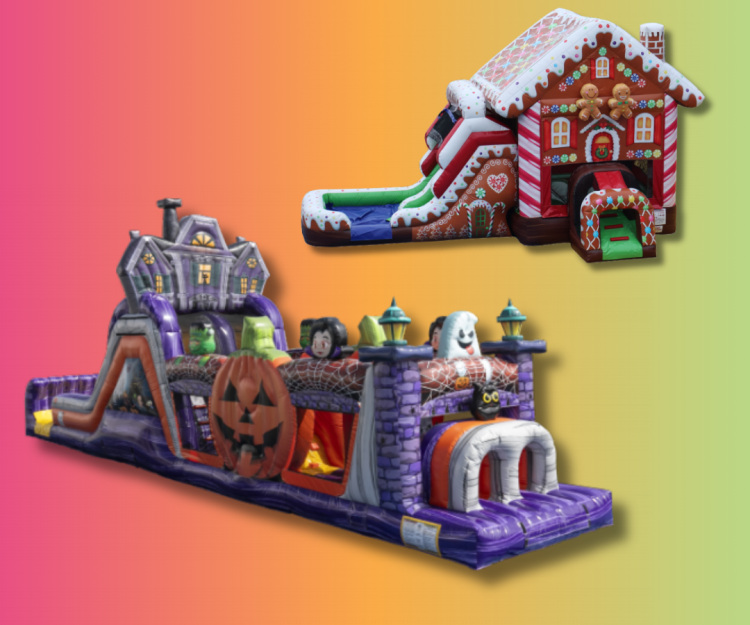
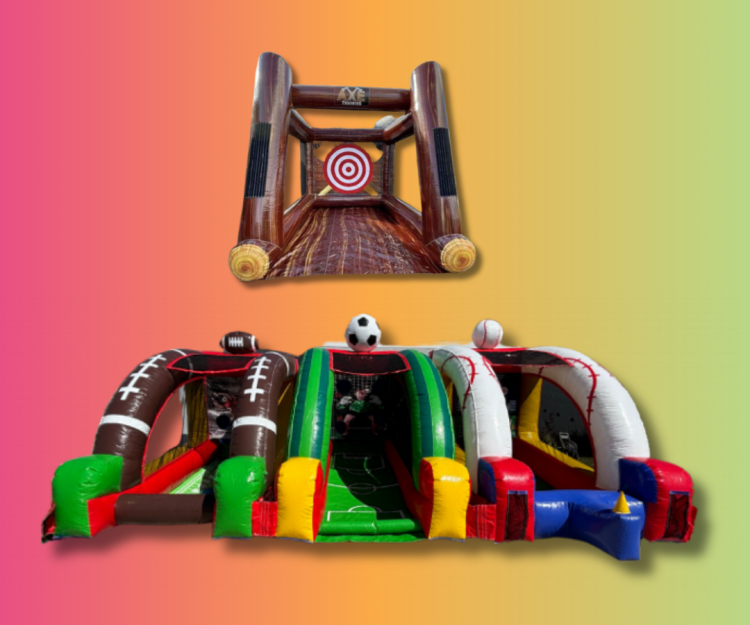
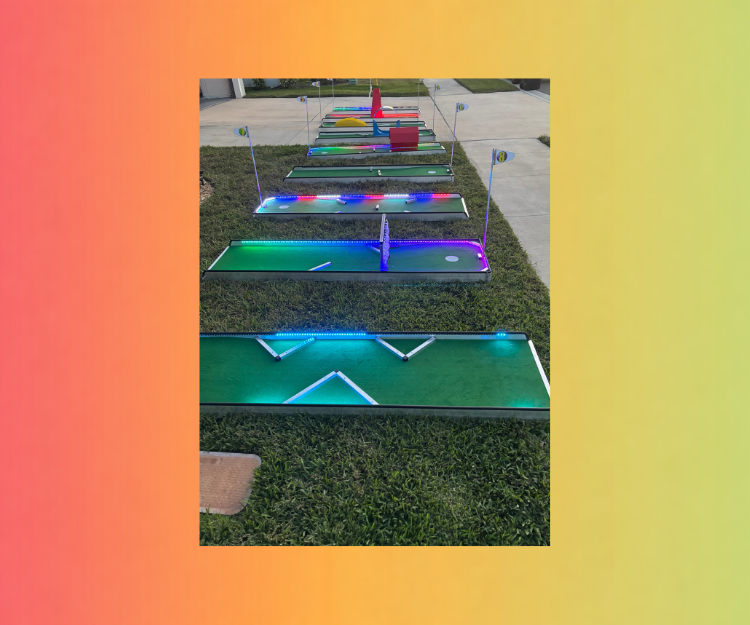

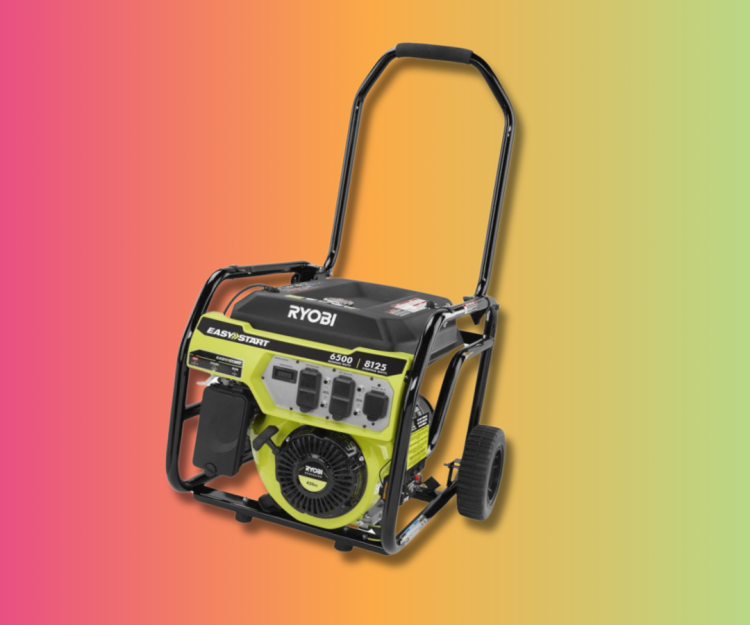
A beautiful backyard, a packed school field, and a lineup of excited kids can all come to a stop when there is not enough power to run the fun. If your event includes bounce houses, water slides, concession machines, lighting, or music away from reliable outlets, knowing how to choose a party generator is part of protecting the party plan.
The right generator does more than switch equipment on. It provides steady power, helps prevent interruptions, and lets you set up entertainment where it works best for your guests. The wrong one can overload, shut down in the middle of a slide session, or create a safety concern that nobody wants at a family celebration.
Start With What Needs Power
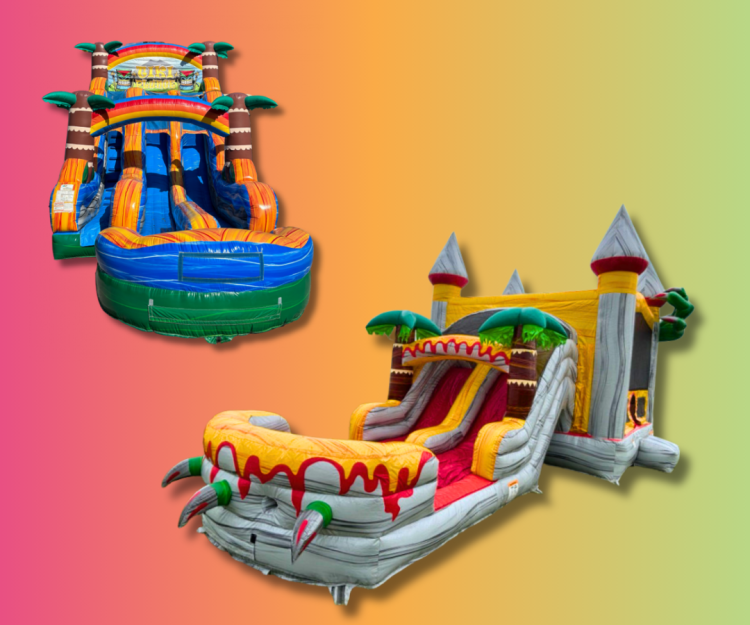
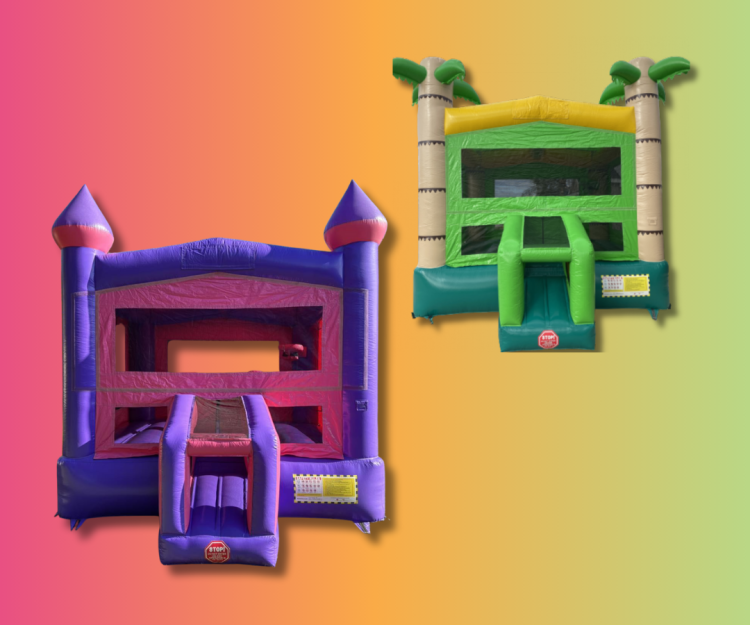
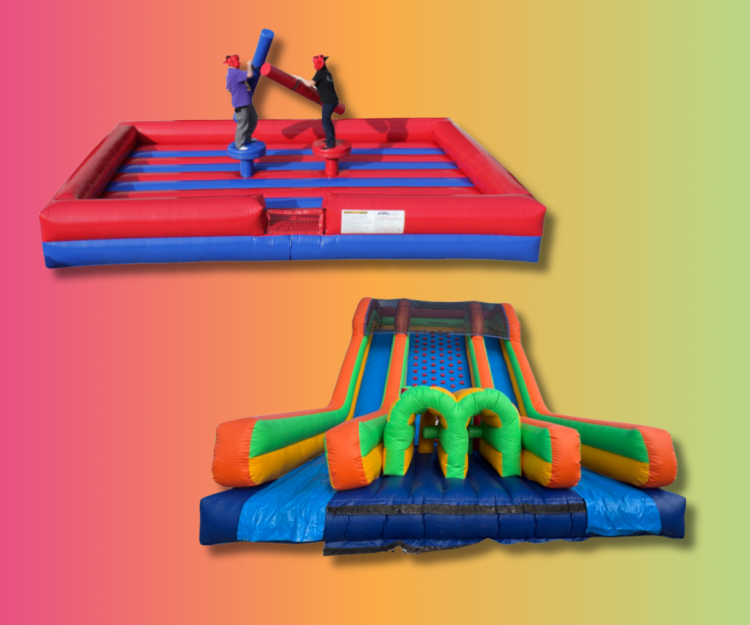
Before choosing generator size, make a complete list of every item that will plug into it. For many parties, the inflatable is the biggest draw and the biggest electrical need. Each blower has a specific power requirement, and a larger combo bounce house or slide may use more than a small bounce house.
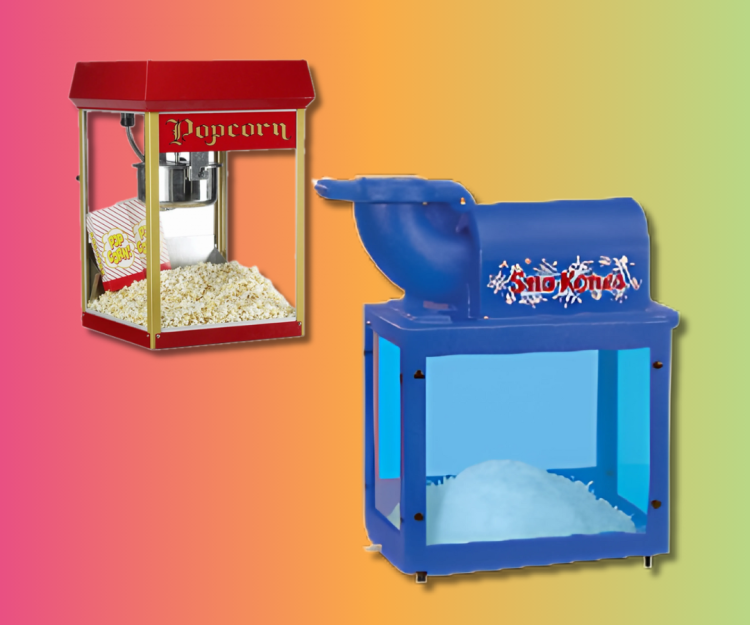
Then add the other equipment that will run at the same time. A popcorn machine, snow cone machine, sound system, outdoor lighting, fans, phone chargers, and catering equipment can quickly change the total. A single item may seem minor, but generators must support the combined load of everything operating together.
Do not assume that a standard outlet or a small portable generator is enough just because one appliance turns on. Many motors draw extra power for a few seconds when they start. That startup demand is where an undersized generator can struggle.
For a simple backyard event, you may only need to power one inflatable. A larger church, school, or community event may need multiple blowers, concessions, amplified sound, and lighting across a wide area. Those are very different setups, so generator selection should always begin with the actual event layout, not a guess based on guest count alone.
How to Choose a Party Generator by Wattage
Generators are usually rated in watts. You may see both running watts and starting watts. Running watts are the power needed while equipment is operating. Starting watts are the temporary extra power needed when certain equipment first turns on.
Look for the power label on each device, blower, or machine. It may list watts directly. If it lists amps and volts instead, multiply amps by volts to estimate watts. For example, an item using 10 amps on a standard 120-volt circuit needs about 1,200 watts.
Add the running wattage for all equipment that will operate at once. Next, account for the item with the highest startup requirement. The generator should have enough capacity for that starting surge while still carrying the rest of the load.
A smart planning rule is to avoid running a generator at its absolute maximum. Leave a healthy cushion of capacity, often around 20 to 25 percent, for startup surges and unexpected needs. If your total estimated load is 4,000 running watts, a generator rated right at 4,000 watts is not a comfortable choice. A larger unit gives your equipment room to operate reliably.
This extra capacity matters especially for inflatables. A blower that loses power is not just an inconvenience. It needs immediate attention so riders can exit safely. At Moore Bounce and Party Rentals, we absolutely will not sacrifice safety for business, and dependable power planning is one part of a safe event setup.
Ask for Equipment-Specific Requirements
Do not rely on generic online estimates when you are renting equipment. Ask the rental provider what each inflatable blower or concession machine requires and whether the equipment needs a dedicated circuit. The answer can vary by unit, age, blower type, and event configuration.
It is also helpful to explain the full setup, not just the item you are renting. Tell the provider if you plan to run DJ equipment, a food warmer, speakers, lights, or another vendor’s equipment from the same generator. Clear information upfront prevents a last-minute scramble on event day.
Match the Generator to the Event Location
Power needs are only one part of the decision. The event site determines how practical and safe the generator will be.
First, check whether there are usable electrical outlets nearby. If there are, find out whether they are on separate circuits and whether other parts of the property are already using them. A home outlet shared with a refrigerator, pool pump, or indoor air conditioning may not be available for an inflatable blower. A venue may also have rules about which outlets guests and vendors can use.
If the event is in a park, open field, parking lot, or large yard, consider the distance between the generator and the equipment. Long extension cords can create voltage drop, trip hazards, and setup challenges. Use outdoor-rated, properly sized cords, and keep cords secured and away from walkways, standing water, and active play areas.
Placement matters just as much. A generator needs a stable, dry, well-ventilated location outdoors. Never run one inside a tent, garage, shed, enclosed patio, or near doors, windows, or air intakes. Generators produce carbon monoxide, an odorless gas that can be deadly. Keep the unit well away from guests and the party area while still allowing safe access for monitoring and refueling.
For Wesley Chapel and greater Tampa-area events, weather deserves a place in the plan. Afternoon rain can arrive fast. The generator itself must remain dry, but it cannot be covered in a way that traps exhaust or heat. Plan a safe weather-ready location before setup begins, and follow the equipment provider’s instructions if rain is in the forecast.
Choose Features That Make the Day Easier
Once you know the required wattage, compare the practical features. An electric-start generator is easier to operate than a pull-start model, particularly for larger events. Multiple outlets may be useful when equipment is placed in separate areas, but outlet count never replaces correct load planning.
Noise level is another real consideration. Generators make sound, and a louder unit can compete with music, announcements, conversation, or a backyard movie. If the generator will be near a gathering area, ask about quieter inverter-style options or plan placement farther from guests. The trade-off is that quieter models may cost more or have lower output, so power requirements still come first.
Run time matters too. Check how long the generator can operate on a full tank at your expected load. A four-hour birthday party and an all-day school carnival need different fuel plans. Refueling must be done carefully, with the generator turned off and cooled according to the manufacturer’s directions. Never add fuel near flames, grills, smoking areas, or children.
For larger events, rental is often the better choice over buying. You get equipment matched to the event, avoid long-term storage and maintenance, and can coordinate delivery with your other rentals. It also means you have a local party partner to help verify that the power plan makes sense before guests arrive.
Do Not Forget Generator Safety Basics
A generator should be treated as event infrastructure, not as something to set down and ignore. Keep children and guests away from the unit, use only appropriate outdoor cords, and do not overload outlets. If an overload warning appears or equipment begins losing power, shut down the affected setup and address the issue before restarting.
Use a ground-fault circuit interrupter, or GFCI, where required, especially around water activities. This is particularly important for water slides, misting equipment, or wet grass after rain. Keep fuel stored safely and away from the generator while it is running.
If you are not comfortable calculating the load, operating the unit, or managing the site conditions, ask for help. That is not overplanning. It is how you keep a fun day from becoming a stressful one.
The best party generator is the one that quietly supports every laugh, jump, snack, and song without demanding attention. Plan the power early, choose capacity with room to spare, and your guests can focus on the only thing that should be loud at your event: the fun.