




A Florida forecast can look perfectly clear at breakfast and bring a fast-moving afternoon shower by cake time. Knowing how to plan rainproof parties means more than setting up a tent at the last minute. It means giving guests a dry place to gather, protecting food and equipment, and having a safe call ready if weather changes the plan.
The good news: rain does not have to ruin a birthday, school event, church gathering, or backyard celebration. A little preparation turns the weather from a party-ending surprise into one detail you already handled.
Start With the Right Party Space
Before choosing decorations or entertainment, look at the space as if rain were already on the radar. Where will guests park and walk? Which areas turn muddy first? Is there a covered porch, garage, pavilion, or indoor room that can become a backup gathering area?
For backyard parties, keep the main activity area away from low spots where water collects. A flat, well-drained lawn is better than a beautiful corner of the yard that becomes slippery after ten minutes of rain. If your event is at a park or community space, ask about pavilion access, indoor rooms, drainage, and their weather cancellation rules before you book.
Think about the guest journey, too. Parents carrying gifts, grandparents using walkers, and kids in sandals all need a reasonably dry path from the car to the party. A tented entrance or a simple covered drop-off zone can make a bigger difference than another decoration.
Build Your Rain Plan Around Shelter, Not Hope
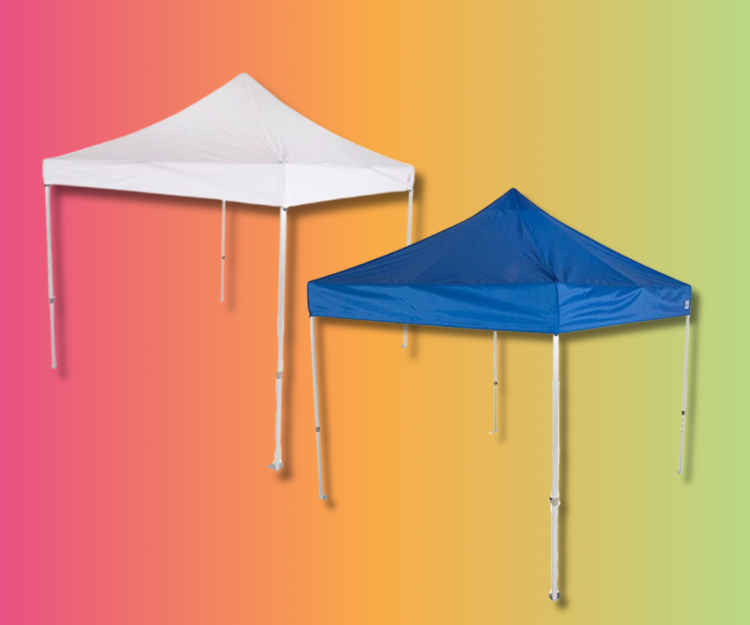
A tent creates a party headquarters. It gives guests somewhere to eat, open presents, visit, and wait out a passing shower without everyone crowding into the house. But the right tent size depends on what needs to fit underneath.
Start with the people who need seats, then account for food tables, gift tables, a cake station, and clear walkways. If you only rent enough tent space for chairs, guests may still be standing in the rain every time they want a drink or a slice of pizza. A slightly larger covered area usually feels more comfortable and keeps traffic moving.
Tent sides are worth considering when rain is likely to blow sideways or the day may turn breezy. They can help protect seating and buffet tables, but they also reduce airflow. In warm Wesley Chapel weather, an open-sided tent may be more comfortable when conditions allow. The best setup depends on the forecast, the direction of the wind, the number of guests, and whether your event runs into the evening.
Do not place grills, fryers, or any open-flame cooking equipment inside or too close to a tent. Keep food preparation safe and separate, then use the covered area for serving and dining.
Give Every Essential a Dry Home
Rainproof planning works best when each important part of the event has a designated spot. Put food and drinks under cover, not at the edge where rain can blow in. Keep the cake table away from tent openings and foot traffic. Place gifts and party favors in a dry corner, and bring storage bins or large plastic bags for quick protection if needed.
Tables and chairs matter here. Guests will remember whether there was a dry seat to eat, help a child, or take a break. Extra chairs also give families somewhere to regroup while a short shower passes. For large events, create a separate covered seating area rather than letting the food line and dining area compete for the same space.
Plan Inflatable Fun With Safety First
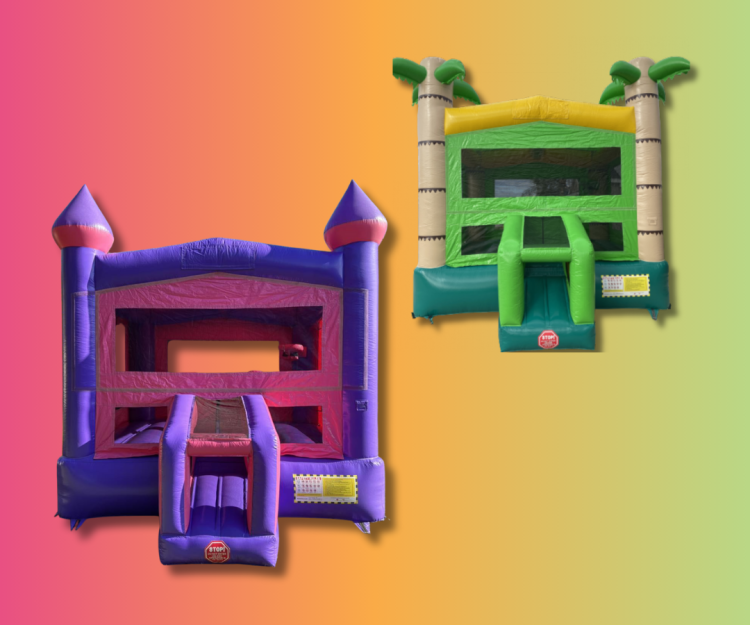
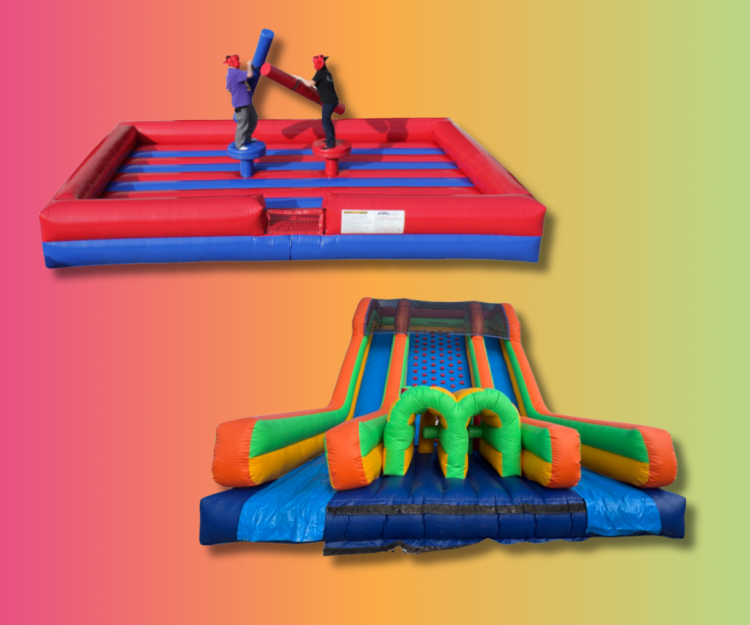
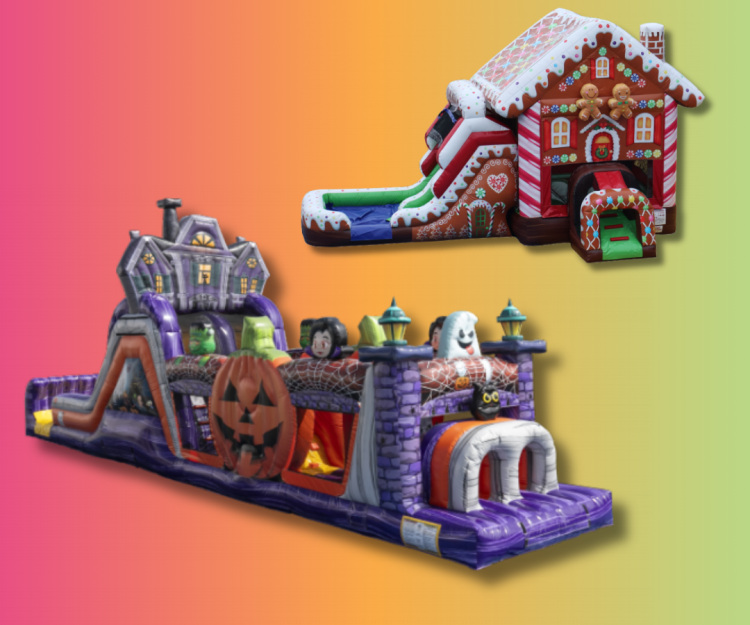
Bounce houses, slides, obstacle courses, and interactive inflatables bring serious energy to a party, but they need a weather plan of their own. An inflatable should not be used during rain, lightning, or unsafe wind conditions. Wet surfaces can become slippery, and weather can affect safe anchoring and operation.
That does not mean you have to skip the fun. It means you should plan for pauses. Let guests know in advance that inflatable play may stop if weather moves in. If a shower is brief, children can move under the tent for snacks, games, music, or a craft while the play area is assessed and dried according to safe operating procedures.
Never try to solve a rainy-day inflatable problem by covering the unit with a tarp while children are inside, moving it yourself, or continuing play because the rain seems light. Safety calls should be made early, especially when lightning is nearby. Moore Bounce and Party Rentals takes that responsibility seriously: clean and safe rentals are only fun when children are playing under appropriate conditions.
For a more flexible event, pair an inflatable with activities that can move under cover. Portable mini golf, table games, a DJ playlist, a scavenger hunt adapted for the tent, or simple team challenges can keep the momentum going. The backup activity does not need to be elaborate. It just needs to prevent the familiar chorus of, “What do we do now?”
Have Power and Lighting Covered
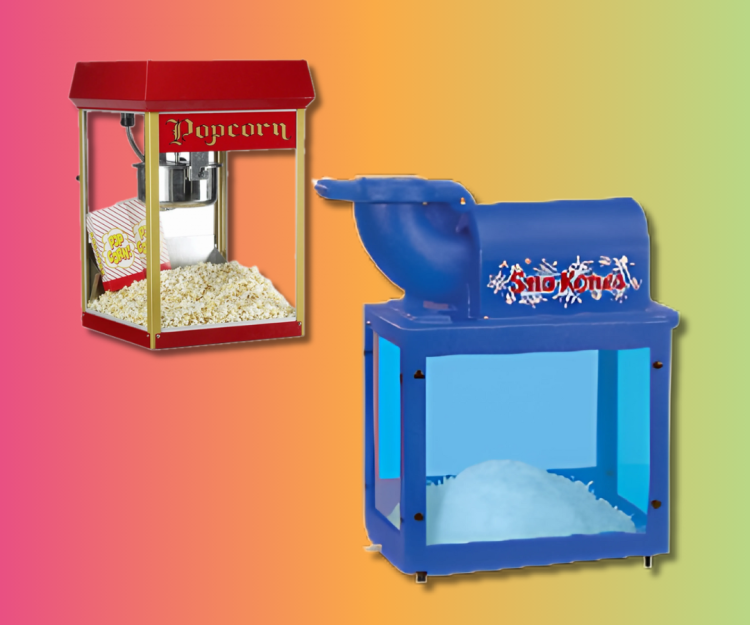
Rainy weather often exposes a detail hosts forget: power. Inflatable blowers, concession machines, speakers, lights, and phone chargers may all need electricity. Before event day, confirm where outlets are located, whether they are protected from weather, and how much power your equipment needs.
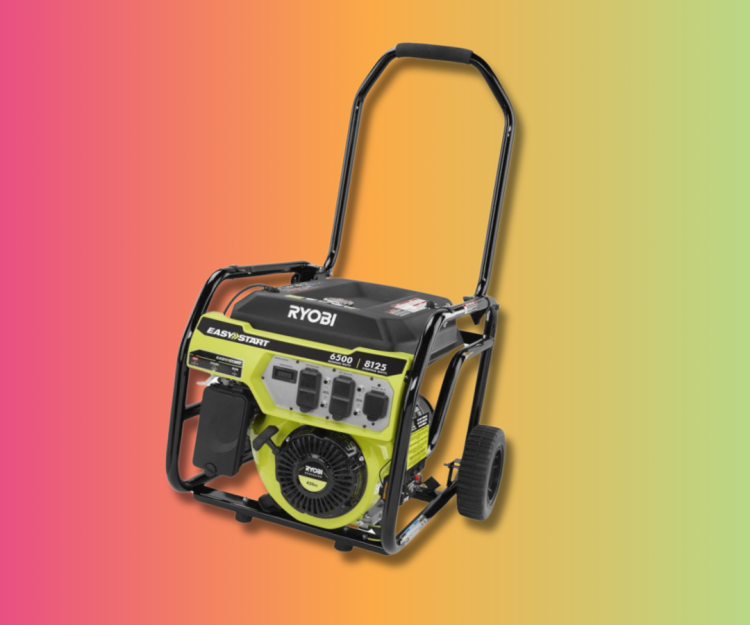
Avoid running cords through puddles, across busy walkways, or where they can be pinched by doors. Keep electrical connections dry and use appropriate outdoor-rated equipment. For parks, fields, or larger setups where power is limited, a generator can provide a practical backup, but it must be placed outdoors in a well-ventilated area away from guests, tent walls, doors, and windows.
If the party may continue after a storm darkens the sky, add lighting under the tent and along walking paths. Good lighting helps guests see wet spots, steps, and cables. It also keeps a gray afternoon from making your celebration feel like it ended early.
Watch the Forecast, Then Make Decisions Early
Checking the weather once the night before is not enough. Start watching several days ahead so you have time to adjust the layout, confirm tent sides, move supplies indoors, or communicate with guests. Then check again on the morning of the party and periodically during the event.
Pay attention to more than the chance of rain. Look for hourly timing, wind, heat index, and thunderstorm warnings. A 40 percent chance of rain at 3 p.m. means something different for a two-hour toddler party ending at 2 p.m. than it does for an all-day school festival. Timing matters.
Set a simple decision point for yourself. For example, if lightning is within the area, move everyone to the designated indoor or enclosed shelter immediately. If a storm is expected during setup, have tables, decorations, food supplies, and electronics ready to stay inside until conditions improve. When you make decisions before guests arrive, you look calm because you are prepared, not because the weather cooperated.
Tell Guests the Plan Without Making It Dramatic
A quick note in the invitation or group message sets the right expectations: “The party is on rain or shine, with covered seating and indoor space available if needed.” If the forecast looks especially wet, send a reminder on the morning of the event suggesting umbrellas, rain jackets, or a change of shoes for children.
For school, church, and community events, assign weather responsibilities to specific adults. One person can monitor alerts, another can direct guests to shelter, and another can help protect food or activity supplies. A large event becomes much easier to manage when everyone knows who is making the call.
It also helps to keep a small rain kit nearby: towels, trash bags, wipes, a first-aid kit, extra paper towels, ponchos, and a few dry games or coloring activities. These are not glamorous party supplies, but they can rescue the moment when wet hands meet frosting or a muddy shoe meets a white tablecloth.
Choose Rentals That Work Together
The easiest rain plan is one coordinated through a single local party partner. Tents, tables, chairs, generators, concessions, and entertainment should fit the site and schedule together, rather than arriving as separate pieces you have to figure out on event day.
Share the real details when reserving: guest count, event hours, location, surface type, available power, and whether there is an indoor backup. Ask what space is needed for setup and what weather conditions affect the equipment you selected. Clear answers before delivery help prevent last-minute surprises.
A rainproof party is not one where nothing gets wet. It is one where guests stay comfortable, kids have a safe next activity, and you can keep celebrating even when the sky changes its mind. Make the weather plan now, then enjoy the party you worked hard to create.