
The best school field days feel like pure fun to students and carefully managed organized chaos to the adults running them. When you plan a school field day, the goal is not to fill every minute with games. It is to create a safe, active day where every student has a chance to participate, teachers know where to be, and the setup works even when Florida heat, a surprise shower, or a late bus changes the plan.
A strong field day starts with decisions made well before the first whistle. Build the experience around your campus, your student ages, your available volunteers, and the number of students rotating at one time. Then bring in activities and event equipment that make the day more exciting without adding a mountain of work for your staff.
Start Planning Your School Field Day Early
For a small school, four to six weeks may be enough. For a larger elementary, middle school, church school, or multi-grade event, start two to three months ahead. The earlier you confirm the date, locations, staffing, and equipment, the more choices you will have and the fewer last-minute compromises you will need to make.
Begin by setting the non-negotiables: who is invited, where the event will happen, how long it will run, and what your weather plan looks like. A field day for 150 students needs a different rotation plan than one for 700. Likewise, a morning-only event may need fewer stations but faster transitions, while an all-day event needs shade, water breaks, lunch timing, and calmer activities built into the schedule.
Walk the grounds with your facilities team before choosing attractions. Look for open, level space; entrances wide enough for delivery; proximity to electrical outlets; parking considerations; and places where adults can supervise clearly. Mark any sprinkler heads, drainage areas, uneven ground, or vehicle paths that could cause problems.
Build Stations for Movement, Not Lines
Students remember the activities that make them laugh, race, cheer, and try something new. They do not remember standing in a long line under the sun. The easiest way to prevent bottlenecks is to choose stations with enough capacity for each group and create a rotation that keeps students moving.
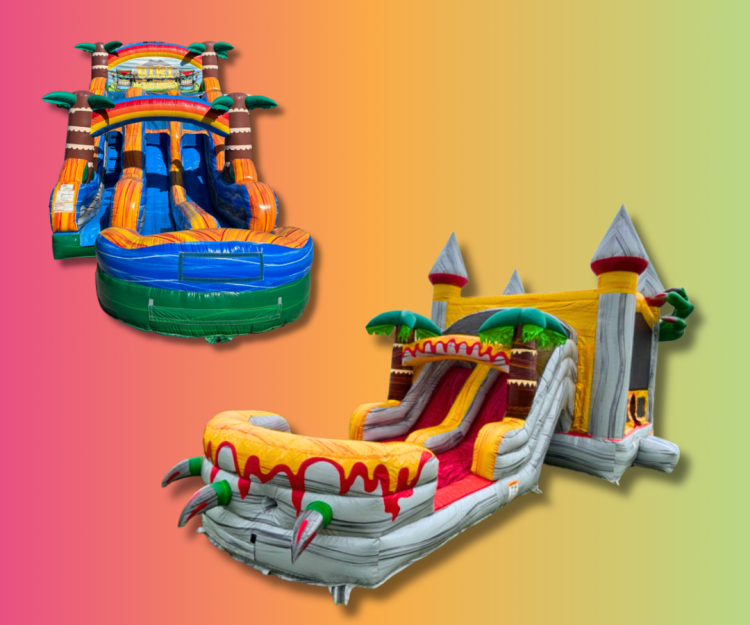
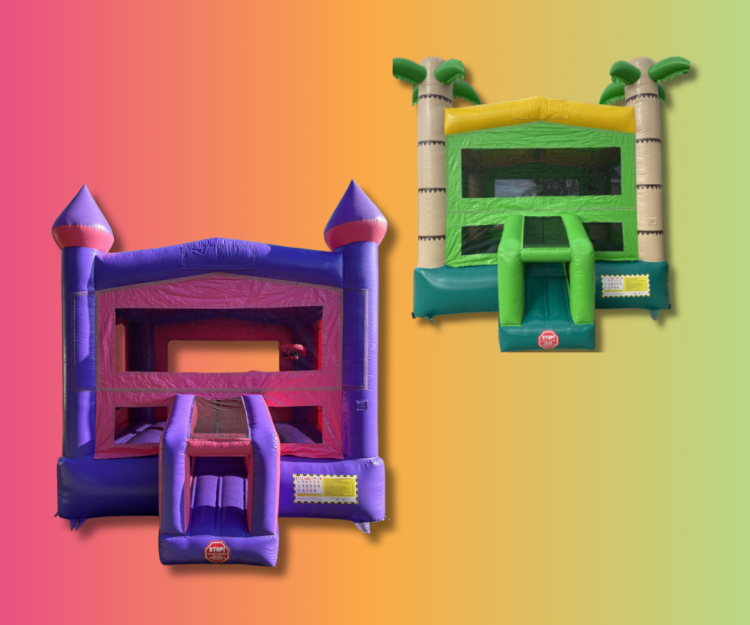
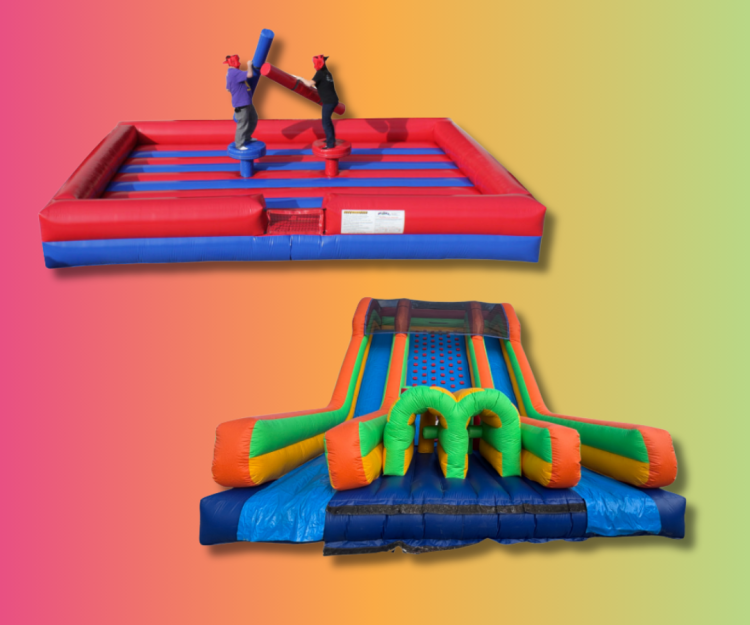
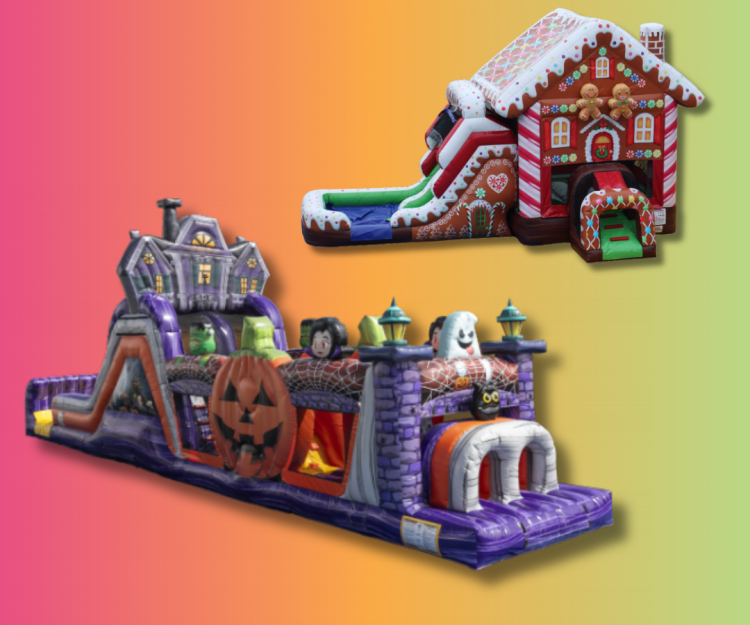
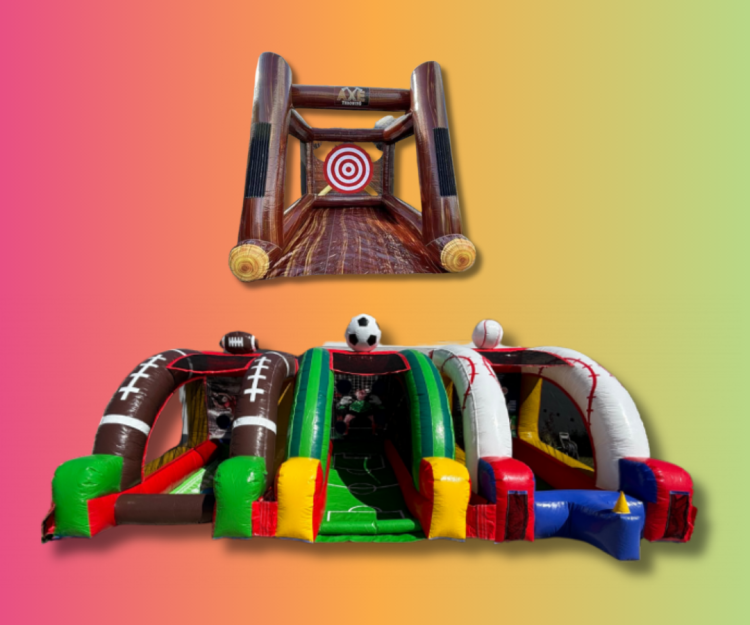
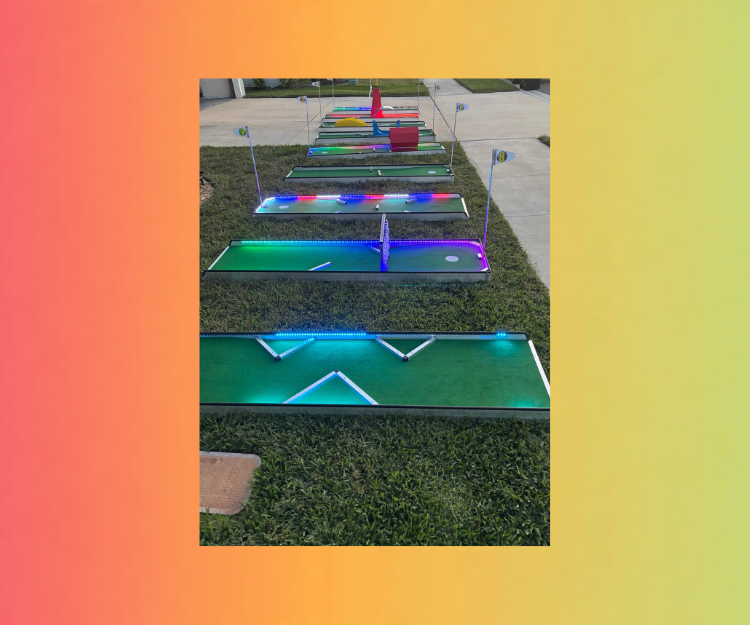
For younger grades, simple high-energy stations often work best. Bounce houses, obstacle courses, inflatable slides, and relay games give them an active outlet without complicated rules. Older students often enjoy a little more competition, such as interactive inflatables, team challenges, sports-style games, or portable mini golf where they can show off a skill and encourage classmates.
A balanced field day typically includes four types of experiences:
- High-energy physical activities, such as obstacle courses, slides, or relay races.
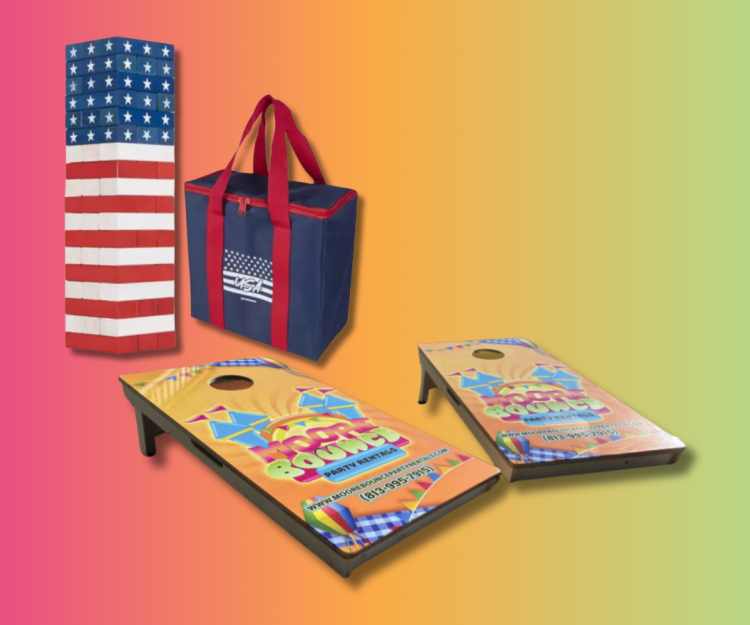
- Team-based challenges that encourage communication and school spirit.
- Lower-intensity stations, such as mini golf, where students can catch their breath.
- Refreshment and recovery areas with water, seating, shade, and a clear path to restrooms.
Do not make every station a race. Competitive activities can be a huge hit, but a full day of winners and losers can leave some students on the sidelines. Mix in challenges where the whole group works toward a goal, earns points for teamwork, or simply gets to play for fun.
Match the activity to the age group
Kindergarten and early elementary students need short instructions, smaller groups, and frequent adult guidance. A large inflatable obstacle course can be exciting, but only if the rules are simple and capacity is managed. Plan rotations that allow enough time for each child to participate, rather than rushing a whole class through for a quick photo.
Upper elementary and middle school groups can handle more independence and longer challenges. Timed obstacle races, head-to-head inflatable games, and team competitions can create the kind of friendly excitement that carries through the day. Just keep supervision visible and explain sportsmanship expectations before the first rotation begins.
Create a Rotation Schedule Adults Can Actually Follow
A great schedule looks simple on paper because the complicated thinking happened ahead of time. Divide students into color-coded or teacher-led groups, assign every group a starting station, and rotate them in the same direction. Avoid having multiple groups cross the same narrow walkway at once.
Most schools do well with 20- to 30-minute station blocks, plus five minutes for transitions. The right length depends on walking distance, student age, and station capacity. If students have to travel across campus, a 15-minute activity block can become frustratingly short. If activities are close together, shorter rotations can keep the energy high.
Give every teacher and volunteer a one-page schedule that includes station names, start and end times, group order, radio or phone contacts, restroom procedures, and the location of the first-aid area. A campus map is worth including, especially if visitors or community volunteers will be helping.
Build in a little breathing room. A 10-minute buffer before lunch, a mid-morning water break, and one open period for makeup rotations can rescue the day when a class arrives late or an activity needs a quick reset. Trying to schedule every second usually creates more stress, not more fun.
Put Safety, Shade, and Power in the Plan
Fun comes first for students. Safety has to come first for the planning team. Each station needs a designated adult responsible for supervising play, checking the number of participants, and stopping activity when rules are not being followed. That person should know exactly who to contact if they need support.
For inflatable attractions, use properly anchored equipment, clear entry and exit rules, and appropriate group sizes. Students should be separated by age or size when needed. Remove shoes, sharp objects, food, and drinks before play, and make sure attendants are willing to slow things down when a crowd gets too enthusiastic.
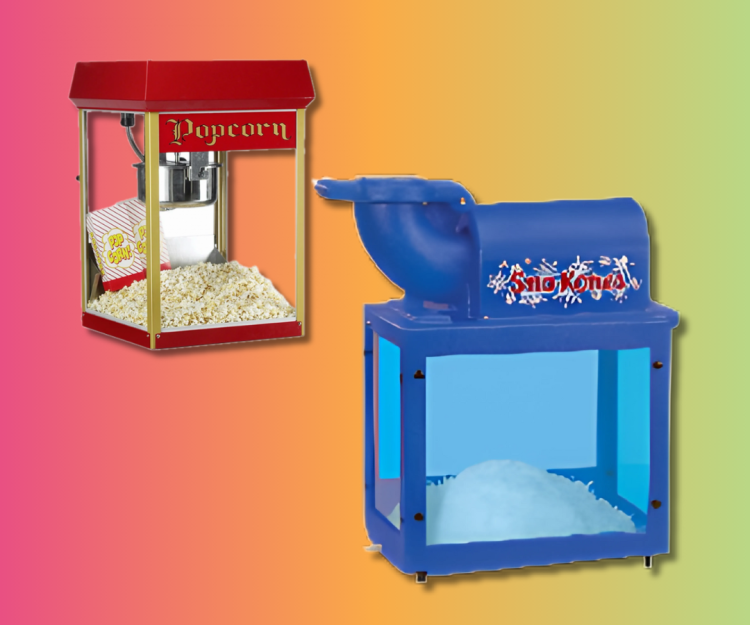
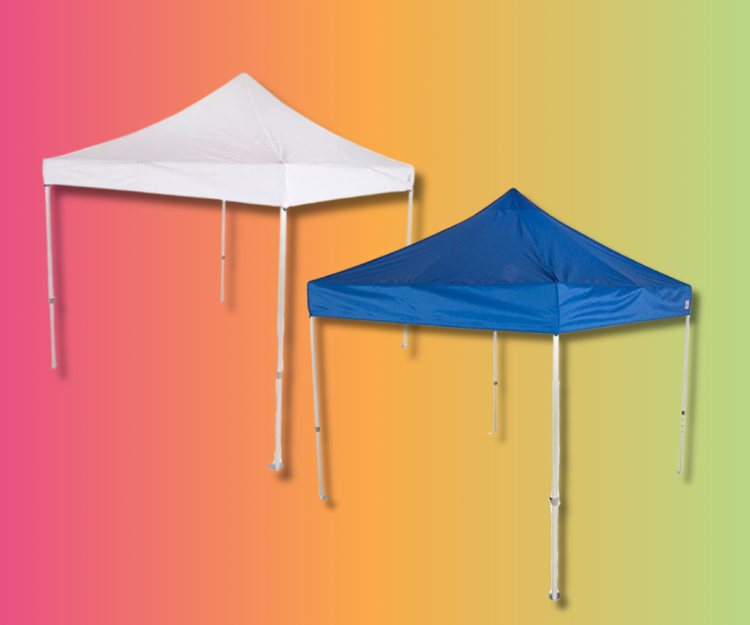
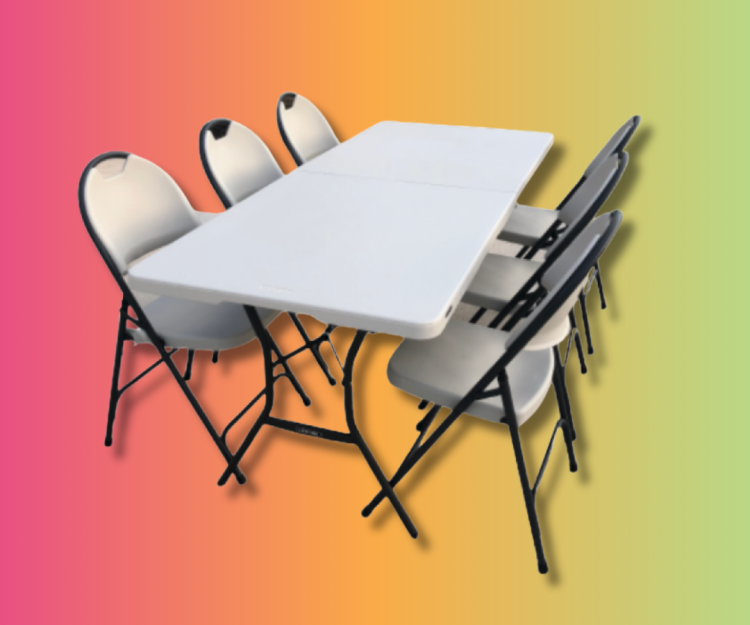
In the Wesley Chapel and Tampa-area heat, shade and hydration are not optional extras. Tents can create practical relief for check-in tables, staff breaks, first aid, concessions, and waiting areas. Tables and chairs give teachers, volunteers, and students who need a break a place to reset. Put water stations in more than one location so students do not have to walk across the event for a drink.
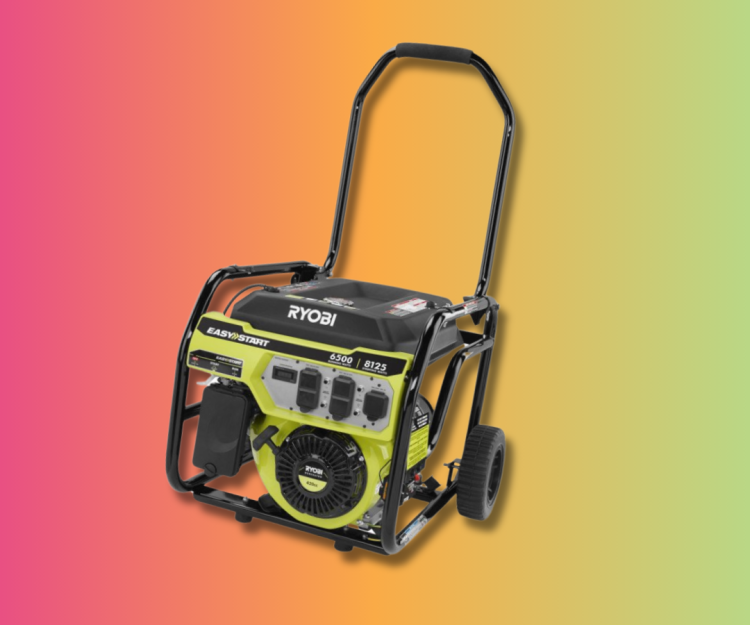
Electrical planning matters, too. A school campus may have outlets nearby, but that does not automatically mean there is enough power for several inflatables, concession machines, sound equipment, and other needs. Confirm electrical access and capacity before booking. Where power is limited or too far from the activity area, a generator can keep the plan from being dictated by extension cord length.
Have a weather decision point
A rain plan should be more specific than “we will see what happens.” Decide who has authority to pause activities, move students indoors, or cancel before setup begins. Identify covered areas and indoor backup activities, then communicate the process to staff and families.
Florida weather can change quickly, and safety standards should never bend to preserve a schedule. If wind, lightning, or heavy rain makes outdoor equipment unsafe, pause or close the station immediately. A dependable rental partner will prioritize safe operation over forcing an attraction to stay open.
Make Setup and Teardown Easy on Your Team
Assign one person as the event lead and one as the rental contact. They should be available by phone on event day, know where deliveries should enter, and have the authority to approve placement decisions. Share arrival windows with your front office, custodial team, and anyone managing gates or vehicle access.
Ask vendors about space requirements, power needs, setup timing, cleaning practices, and safety procedures before the event. Clean and safe rentals should arrive ready for student use, with equipment routinely inspected and set up by people who understand how the attractions operate. That saves teachers from trying to solve equipment questions while managing a class.
Moore Bounce and Party Rentals can help schools bring entertainment, tents, seating, concessions, and power equipment together through one local delivery team. That is especially helpful when your planning committee wants a fun lineup but does not want to coordinate several separate vendors on field day morning.
Keep Families and Staff in the Loop
A short, clear message before the event prevents many common problems. Tell families what students should wear, whether they should bring a water bottle, what sunscreen policy applies, and whether they need a change of clothes. If water activities are included, say so plainly.
Staff members need more than a reminder that field day is coming. Give them the schedule, expectations for supervision, student group assignments, emergency procedures, and a rain-plan update. Volunteers should receive a quick orientation before students arrive, including the simple rule that they should ask for help early rather than trying to manage an unsafe situation alone.
The payoff is bigger than a day away from regular classes. A well-run field day gives students room to move, connect with classmates, and feel proud of their school community. Plan thoughtfully, leave space for the unexpected, and let the students do what they do best once the music starts: make the day fun.